
By: Heath Wood
As I tagged along with a friend to check his morning trap line, I could feel the adrenaline rush as we neared another set. With each location, it was a mystery what we could stumble upon. After finding one gray fox on the third set location, I dreaded telling my friend that I had to call it quits for the morning because I had to get back to work.
Since I was a young teenager, I have had a passion for predators and, more specifically, predator calling. I love being outdoors and trying to call predators into close range, but I am also a passionate deer, turkey, and small game hunter. With this passion comes the knowledge of humans’ vital role in managing coyotes, bobcats, foxes, and many nesting predators to keep other wildlife populations thriving. To effectively manage wildlife, trapping is a must. Many of my close friends have often asked me why I don’t trap more than I do. Unfortunately, I do not have adequate time to put forth the effort that trapping requires. One vital requirement for all trappers is that traps must be checked daily to prevent animals from staying in them for extended periods.
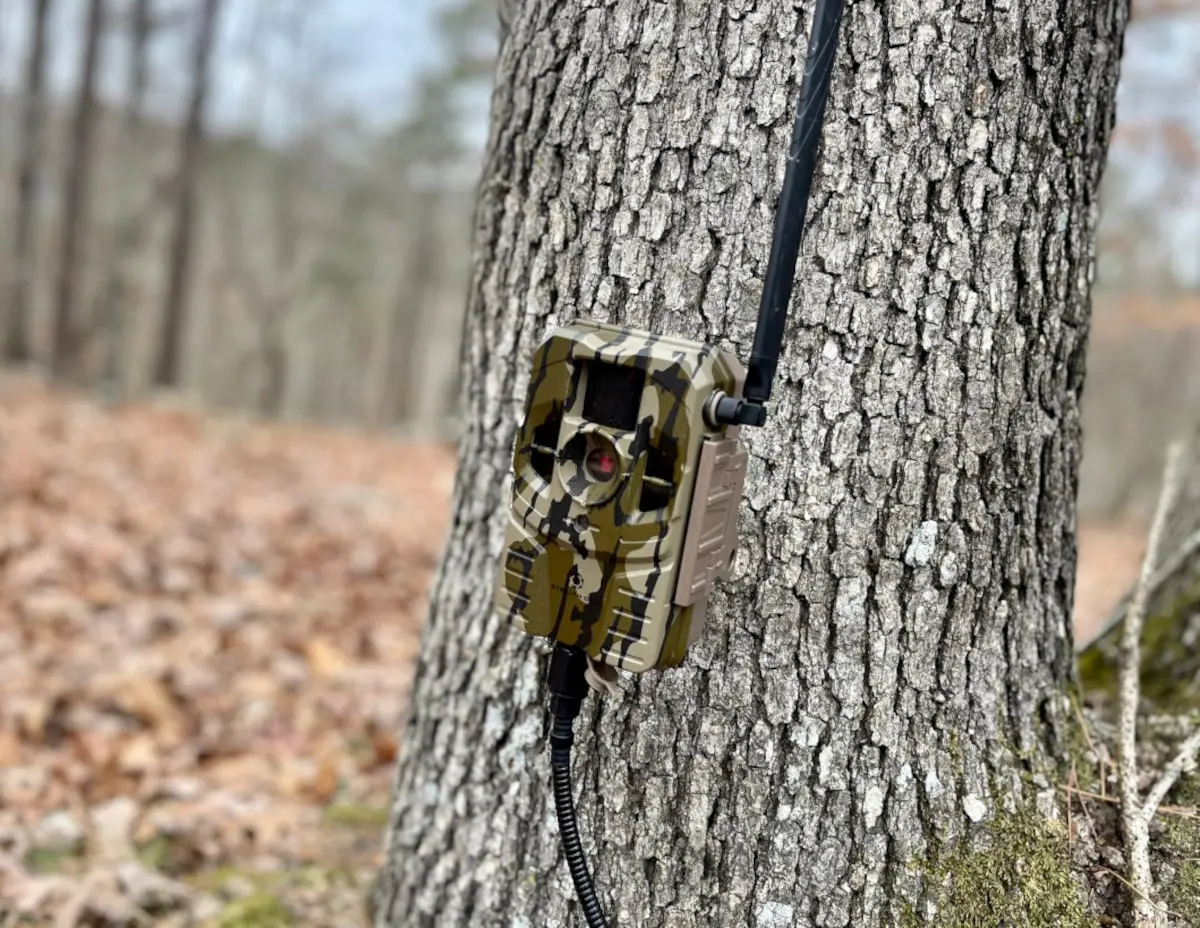
With trappers requiring daily observations of their traps, it is no surprise that cellular cameras are quickly becoming an essential tool that can aid in more success. Below are a few reasons why trappers should try cellular cameras when trapping.
Scouting For Predators
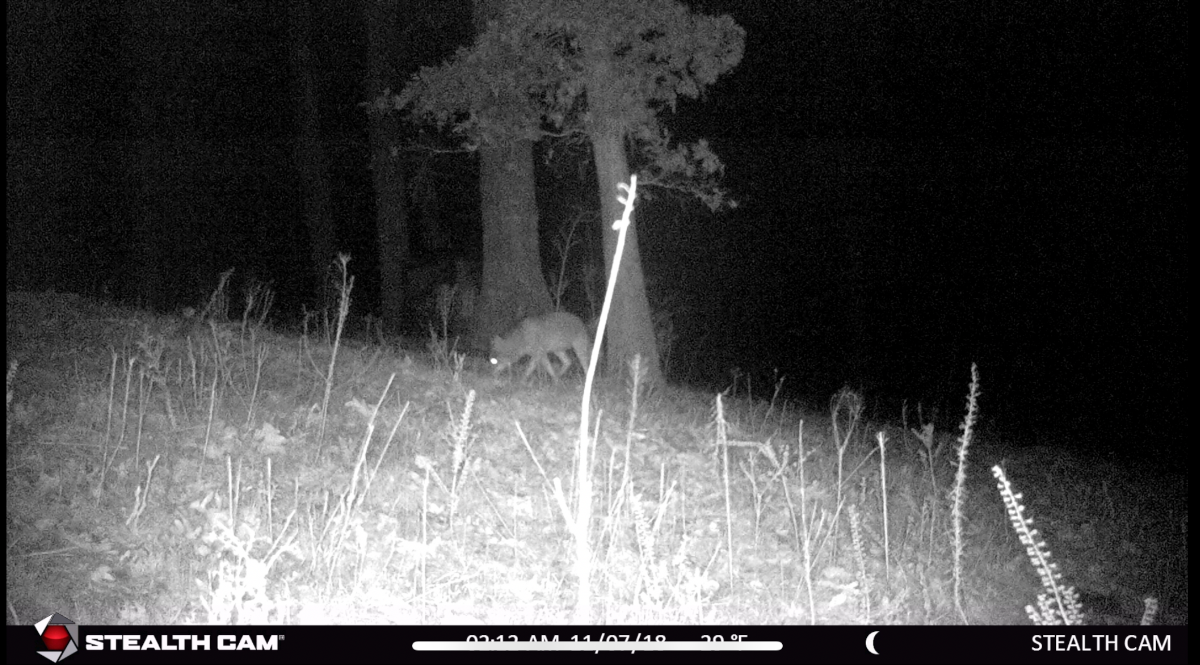
One of the most significant factors for predator hunters and trappers to be successful is scouting to ensure they are in areas that hold coyotes, foxes, or other predators before hunting or trapping. One of the best ways to scout is by using cellular cameras in random areas of a property.
Many hunters or trappers can refer to photos or videos from previous deer seasons to find where most predators were encountered. Cellular cameras can also be placed in strategic locations weeks before hunting or trapping to monitor any predator sightings if a trapper is not a deer hunter. These locations include water sources, potential den areas, or near habitat that holds small prey such as mice, moles, and rabbits.
What Predators Are Coming To Traps
After nearby predators have been confirmed and traps set, trappers can use cellular cameras such as the Stealth Cam Fusion to determine what specific predators are coming to the trap areas. If a coyote set has been placed, but the cellular cameras show a more dominant population of bobcats in the area, the trapper can return and change out the scents and set up to be more cat specific. It is imperative to constantly adjust traps until the setup is perfect, less time is wasted, and more predators can be harvested.
When There Is A Catch
As mentioned earlier, checking traps daily requires time and effort. Suppose one has another job or responsibilities that limit how many traps are set daily. In that case, cellular cameras can be a helping hand that could allow someone to begin trapping.
The trapper can check traps faster and travel less by using multiple cellular cameras, one overlooking each trap. Using the Fusion or other Stealth Cam models, such as the Connect on video mode, they can get instant notification of when something has triggered the trap and if a proper hold was established. If multiple cameras are in place, the trapper can skip those sets until the camera is triggered, saving time when there are multiple traps.
How Predators Approach
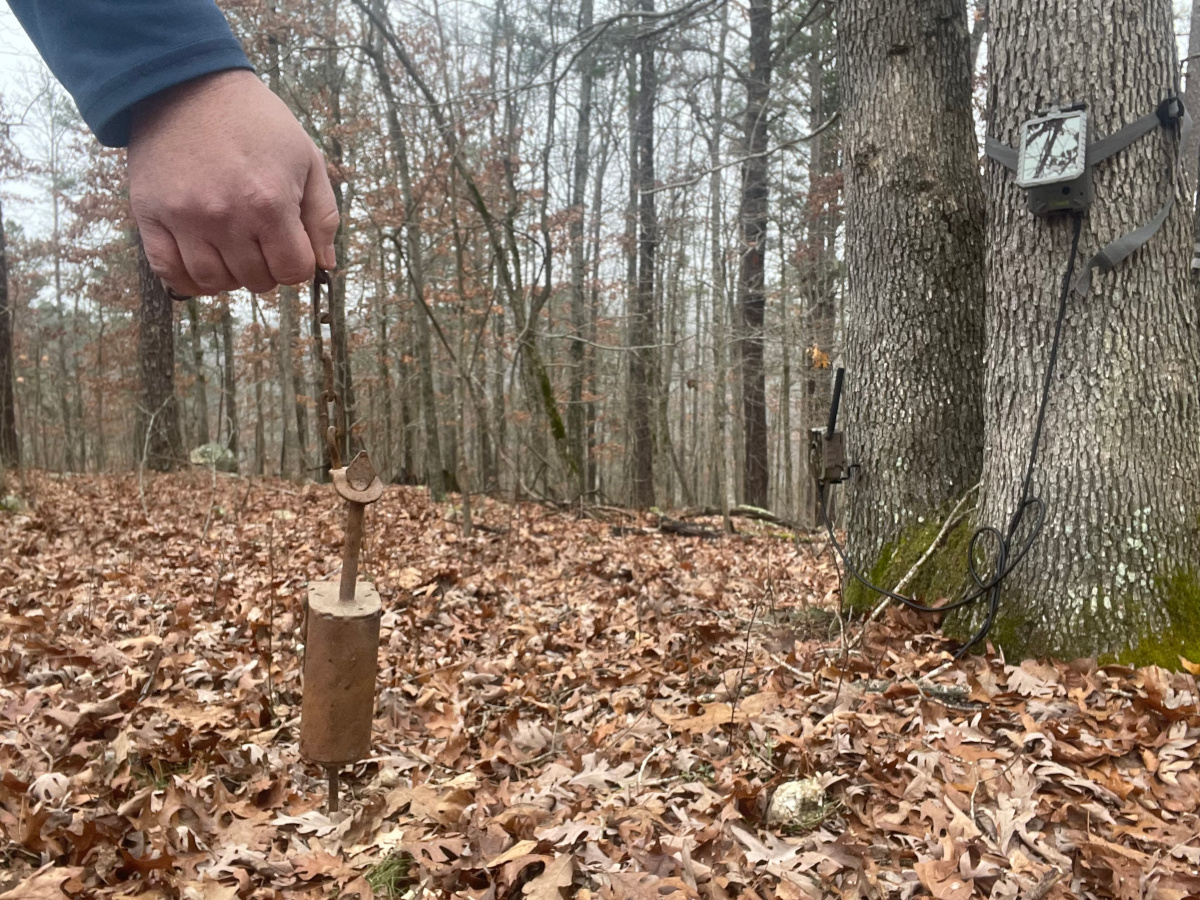
Trappers often experience a dry spell or many close encounters, yet the traps remain empty. Before, one would often wonder what they were doing wrong and what could be done differently to adjust their setups to be more effective. With cellular cameras on video mode, trappers can monitor how animals approach the setup, where traps should be positioned differently, how they missed, and much more.
When traps are on a successful streak, the same camera method can be used to improve future setups even more. After a successful catch or hold, the trapper can go back to the video, monitor how the animal approached and put it in their playbook for next time.
When using cellular cameras on video mode for trapping, it is vital to keep battery life in mind. Videos take more battery power, thus why using a Stealth Cam solar panel is necessary to keep cameras running effectively for extended periods. With the Stealth Cam Command App, trappers can keep a constant monitor on all their cameras and the battery life of each camera and solar panel. With up-to-date information, trappers are able to take advantage of every opportunity to harvest predators.