
Summertime is a popular time for hunters and land managers to deploy their trail cameras in preparation for the upcoming season, and for good reason. In this guide, we will discuss the benefits of running trail cameras during the summer, the best locations to monitor, general best practices, and the importance of having realistic expectations for the intel your cameras collect.

BENEFITS OF SUMMER TRAIL CAMERA USE
Monitoring Fawns
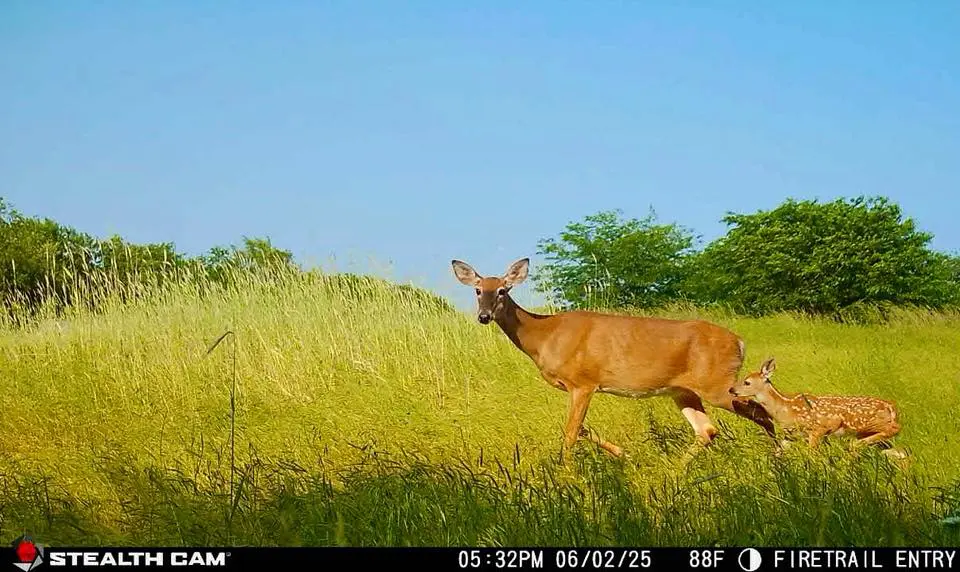
The summer months provide critical intel that could be missed without trail cameras. Information on fawn numbers and survival rates helps hunters and land managers make decisions about harvest quotas, predator management, and habitat improvements. An often-overlooked aspect is the ability to estimate conception dates by backdating from fawn births. With a gestational period of approximately 200 days, you can approximate breeding times, giving you valuable intel about breeding dates on your hunting property.
Monitoring Antler Growth
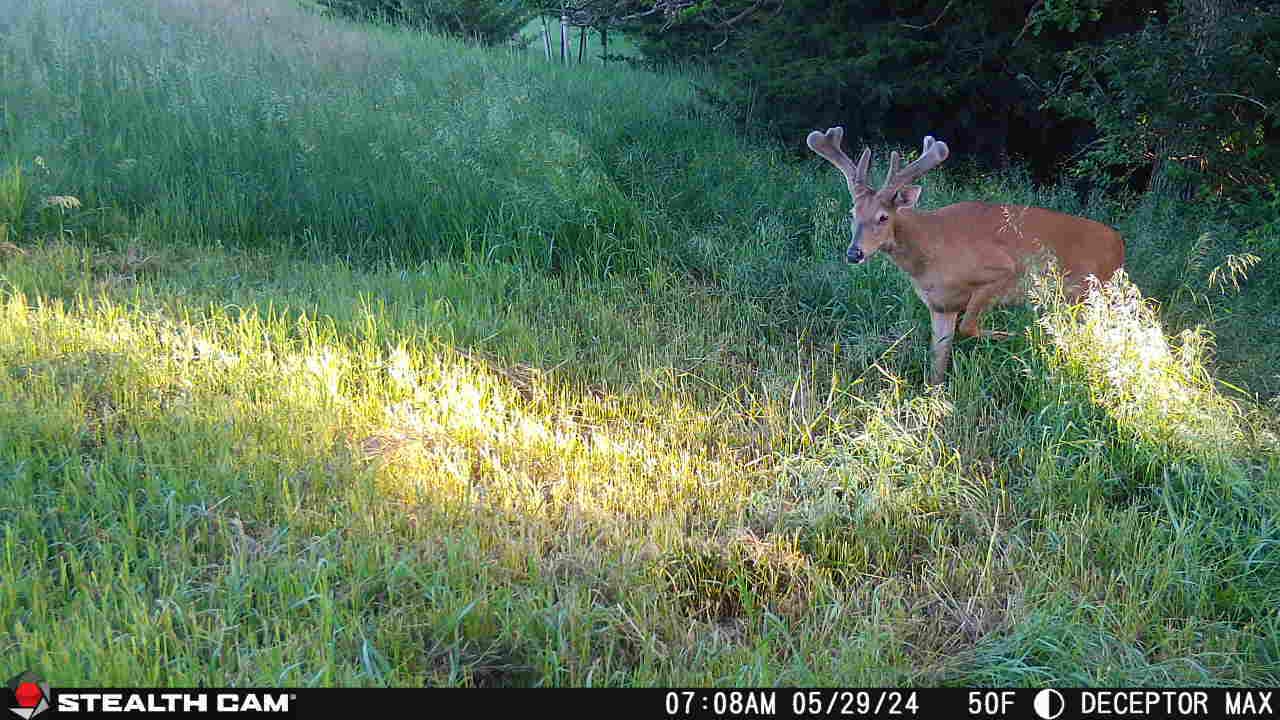
The vast majority of hunters deploy their trail cameras during the summer to start monitoring velvet bucks and their antler growth. Trail cameras are a great tool to help unlock summertime patterns, and having the ability to get real time pictures of growing antlers can help hunters with identifying and determining what bucks they may want to target when hunting season rolls around. Bucks tend to be on a fairly consistent pattern during the summer, and if you are lucky enough to have a season that opens early, these summertime patterns can still be in place to take advantage of.
General Herd Health
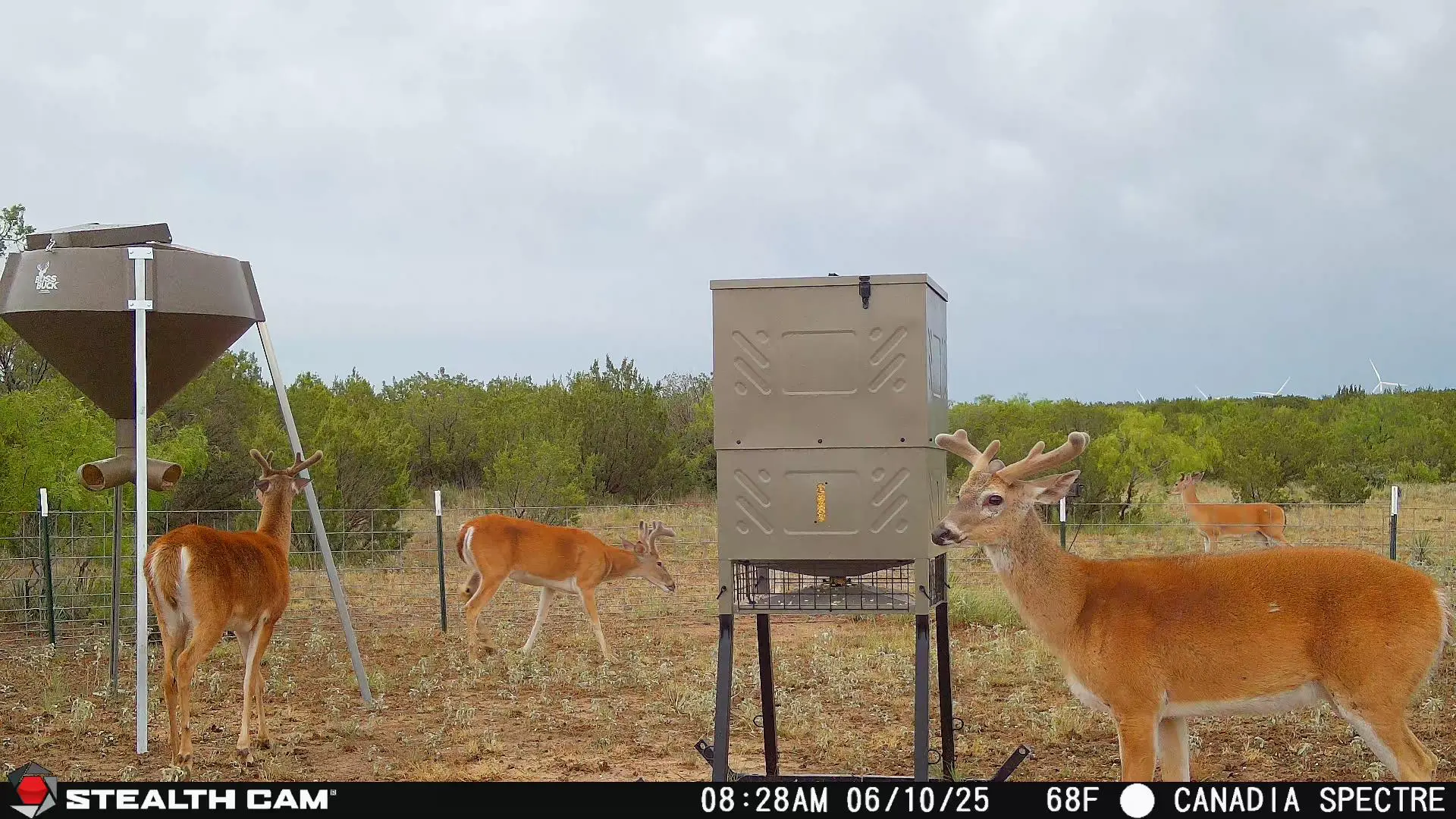
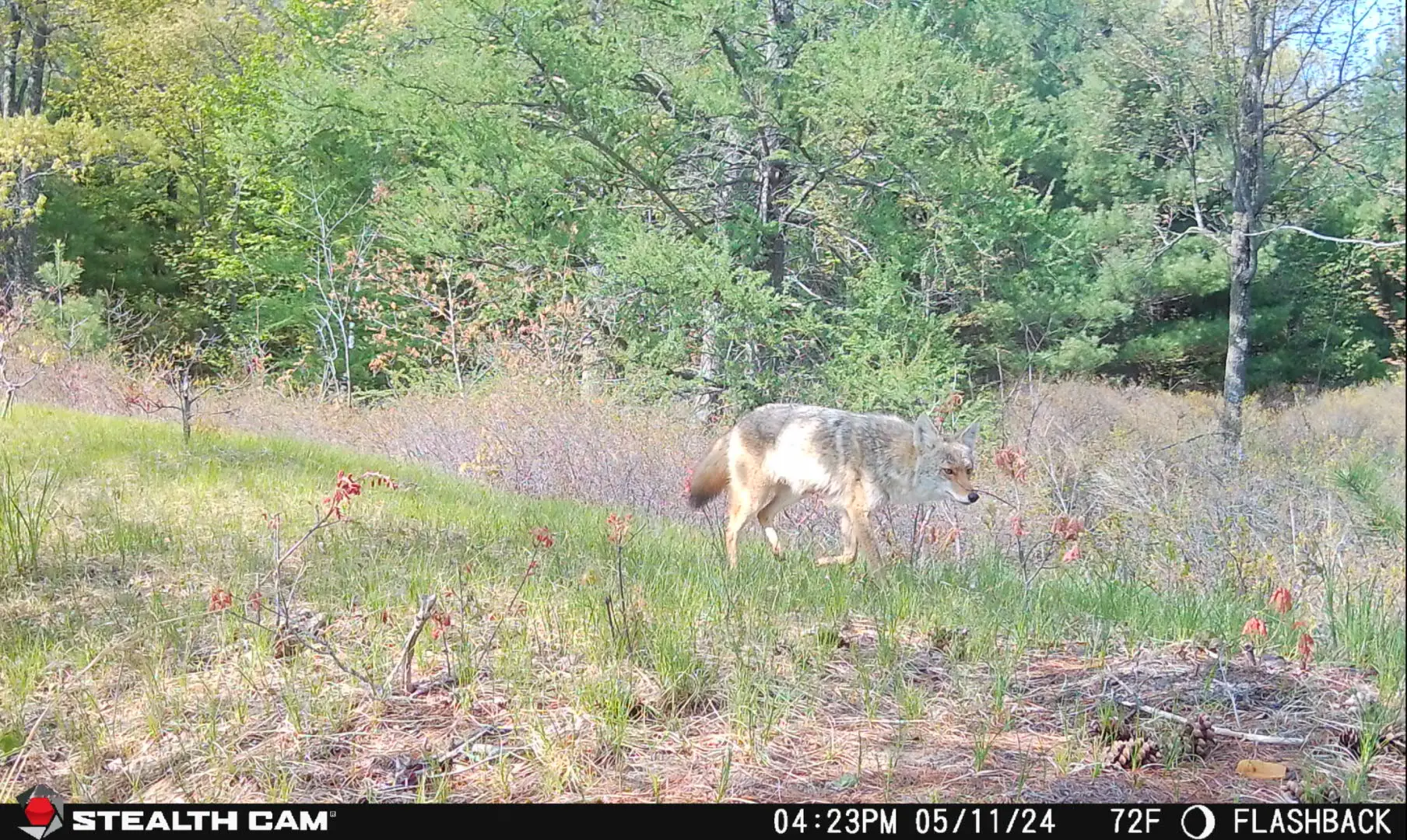
Regardless of the time of year, running trail cameras can provide hunters and land managers with real-time data on the general health of the deer herd on their property. Even though summertime is normally seen as having ample food, cover, and all the other necessities that whitetails need, it can also present a time of stress. Trail cameras can help provide important information on deer that may be stressed by factors such as insects, nursing fawns, predators, drought, etc. This data can greatly assist hunters or land managers in making informed decisions on how to improve or maintain the quality of their property.
BEST SUMMER TRAIL CAM LOCATIONS
As mentioned earlier, deer tend to have very predictable patterns during the summer, and this can make choosing the best locations for your trail cameras to be relatively easy.
Food Sources
Whitetails are usually on a food/bed pattern during the summer. Their goal this time of year is to consume enough calories to nurse fawns, grow antlers, and develop their bodies in preparation for the fall and winter. Keeping that in mind, deploying your cameras on a high-quality summer food source is almost a sure bet for getting some great pictures and intel. Food sources such as soybeans, clover, and alfalfa are all great choices to focus on. While in the field, keep an eye out for trails that enter and exit food sources, look for browse pressure (especially in soybeans), and focus on inside field corners or coves that are relatively close to bedding cover.
Travel Routes
It makes perfect sense to monitor travel routes between food and bedding. If you are scouting a newer property or one that you aren’t familiar with, an easy way to narrow down the bedding locations is to follow trails back into cover from food sources. This is also a great way to get daylight pictures of mature bucks that may wait until dark to enter those food sources. Once you start getting pictures and have a general idea of which direction deer are coming from, you can push further back away from the food source in that direction until you are able to narrow down the general bedding locations.
Scrapes and Mock Scrapes
There is a general misconception that scrapes are only used by bucks and only during the late pre-rut and rut—but nothing could be further from the truth! Scraping activity is at its highest during the fall, just prior to breeding, but all deer use scrapes, and they get used throughout the entire year. Because of this year-round use, scrapes and mock scrapes make excellent locations for summertime trail cameras to monitor. Summertime is also an excellent time of year to create your own mock scrapes if you haven’t done so already. Focusing your efforts on areas where there is already substantial deer activity, such as near food sources and along heavily used trails, will help ensure your mock scrapes get ample attention. Once established, these mock scrapes will continue to be excellent locations to keep your trail cameras throughout the fall and winter.
Limited Resources
Limited resources are always great locations for trail cameras. These locations can include water holes, mineral sites, bait/protein feeders, or natural food sources like fruit trees. When taking advantage of limited resources for trail camera locations, keep in mind that they may only be good as long as they remain limited. Once a fruit tree has dropped all of its fruit or a water hole loses its attraction after steady rains, the activity at those locations is likely to drastically reduce. If your objective is to try to use your trail cameras to pattern deer, keep in mind that those patterns will also change once the limited resource is gone!
TIPS FOR KEEPING CAMERAS OPERATIONAL
Vegetation
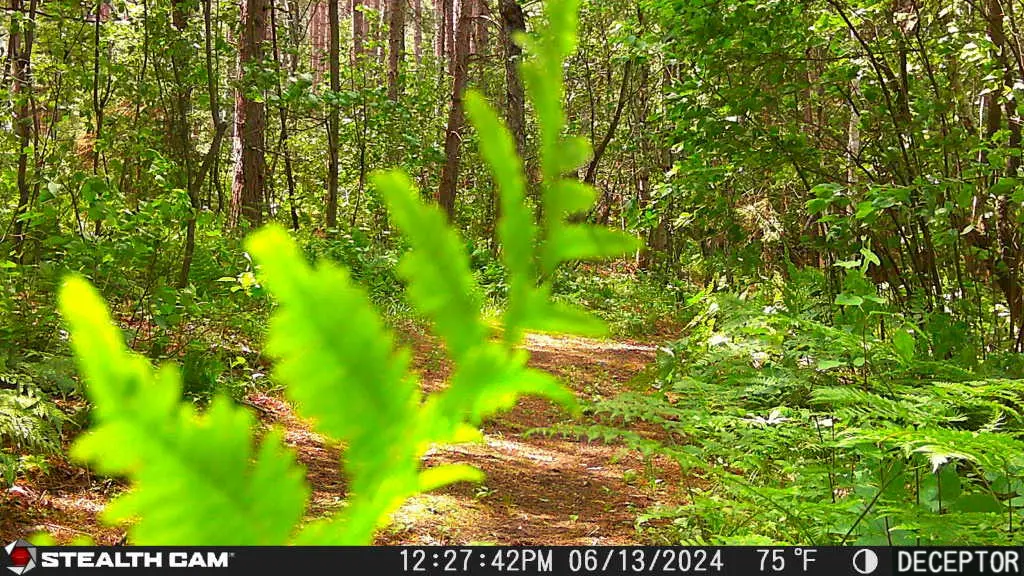
To keep your trail cameras operational during the summer months, there are a few key considerations. Vegetation can grow quickly and negatively impact your camera’s performance by blocking the view and the PIR sensor, causing false triggers. It’s crucial to clear any weeds, grass, or branches in front of your camera that may move with the wind. In areas where you can’t clear all the vegetation or want to maintain a lower level of intrusion, elevating your camera to 6+ feet off the ground can help mitigate these issues. In areas where intrusion isn’t a concern, using a string trimmer or a small sprayer with herbicide can clear and prevent vegetation from becoming a future problem.
Batteries
Summertime can be a challenging period to keep your trail cameras powered. The high number of pictures and videos from locations like mineral sites can easily drain standard AA batteries. Accessories like the SOL-PAK Solar Battery Pack provide significantly more run time compared to just using AA batteries. Although a SOL-PAK may seem like a higher initial expense, it will pay for itself by saving you from continuously purchasing AA batteries. If you position your camera so the solar panel receives adequate sunlight, you may not need to worry about visiting your camera for months at a time.
The rechargeable battery solutions quickly pay for themselves, and are not something that gets thrown away like AA batteries do. The Stealth Cam 5,000mAh SOL-PAK costs approximately the same as just three sets of 8 name brand lithium AA batteries, making the SOL-PAK an easy investment for year-round trail camera use. Other great options include FieldMAX lithium internal battery packs for Revolver series and MAX series cameras. Shop Battery Packs →

FINAL THOUGHTS
Summertime can be full of excitement and high anticipation for the upcoming whitetail season, especially if you are getting consistent pictures of giant velvet bucks. Many of those bucks that are regulars during this time of year may shift to a different range for the fall and winter. This can really take the wind out of a hunter’s sails, but if this happens, all is not lost. With every buck that may disappear just before the season, there comes the opportunity for a new buck to show up, especially during the rut. Understanding this behavior and being prepared for it will help with early season success and ease the disappointment of having a mature buck disappear later in the fall.
Summer is our last opportunity as hunters and land managers to utilize our trail cameras to gather much-needed intel before deer season opens. By following the advice in this article, you can maximize the amount of intel you collect this season and overcome some of the challenges of keeping your cameras running this time of year. Remembering to have realistic expectations for the intel you gather will better prepare you for a fun and successful season. Good luck this fall!
Looking to expand your cellular trail camera network? New Stealth Cam 2.0 cellular trail cameras are available now. This new generation of cameras provides you with the most advanced scouting technology available today. See all the details with superior image and video quality—right in the Command Pro app. Stay more connected by streaming live video from your camera with new Live View. Capture everything with advanced hardware, including dual-core processing and 360º detection. Shop 2.0 Cameras →