By: Heath Wood
One of the most significant advantages to using game cameras is the added excitement it gives hunters throughout the off-season.
Over the past few years, I have obtained a passion for summer scouting efforts and the entire process of using game cameras. For my family and I, weekends from the end of July until the middle of September consist of traveling to our nearby hunting property to check cameras, fill feeders and enjoy our time together while in the outdoors. Like many hunters, the summer consists of using feed and minerals combined with cameras to obtain as many photos of deer as possible. One disadvantage in my home state of Missouri is that bait or supplemental feeding is prohibited ten days before the opening day of the archery season, which is September 15th. Basically, by the first of September, we must halt all feeding or baiting sites for the remainder of the year.
Summer To Fall Camera Sites
After summer feeding sites are removed, one of the unique dynamics is the transition of cameras for more fall-like conditions. As fall nears, the summer traveling and feeding pattern for whitetail deer change.
It is relatively easy to pour feed and attract deer to camera sites. Yet, enticing deer to congregate during the fall when their behavior and daily travel patterns change and while feeding them is not an option can sometimes be a task. In the first few weeks of October, many deer are still in a summer-like travel pattern that consists of food, water, and bedding. Even though hunters may not have the option of pouring out supplemental feeds, placing cameras on food sources is still the best option to gather many deer pictures. The corner of food plots or agricultural areas is suitable for hanging food source cameras. Cameras at the edge of food can catch deer entering the source if one knows where the most dominant travel route is. Another leading food source for whitetail deer during the early fall is white oak acorns. Locating several white oak trees in one area will almost always guarantee numerous pictures. Acorns are one of a deer’s favorite foods; when acorns begin to fall, deer will often leave all other food sources and strictly feed on them.
Early fall deer travel mainly revolves around food as well as water. In late September and early October, afternoon temperatures can continue to reach the upper eighties or even low nineties. When the weather is hot, deer need water to stay cool, thus making ponds, creeks, and other water sources excellent early fall game camera locations. The number of pictures generated in front of water sources may not match that of supplemental feed sites, yet a wide variety of wildlife will visit a water source daily.
Summer/Fall Feeding Patterns To Pre Rut Camera Transitions
One of my favorite times of the year to sit in a treestand is the middle of October, when the pre-rut is beginning. I recall a hunt in southern Missouri—sitting in a hang-on stand nestled into a group of oak trees that divided two large clover fields. That morning in mid-October, the temperatures had finally dropped enough to have the low-lying areas covered with a dusting of frost. The cool air not only had me pumped about my hunt, but it also had the deer on their feet— at about 8:00 a.m. I had fifteen deer throughout the field, including two three-year-old bucks looking for love that morning.
For a solid hour on that cool October morning, I watched as the two bucks chased every doe in sight around in circles until the does finally had enough and gave them the indication to get back; they were not interested. After the buck’s strikeout, they eased to the edge of the timber, where I witnessed them both make two scrapes, four in total, in a fifty-yard radius up one edge of the timberline. Even though I never made a harvest attempt, it was an enjoyable sit in a treestand that hunters live for. After climbing out of the stand later that morning, I pulled out my Stealth Cam Fusion camera that I had planned on hanging in an area I would be traveling by later that morning. Instead, I decided to hang the Fusion overlooking two scrapes that the bucks had made earlier that morning.
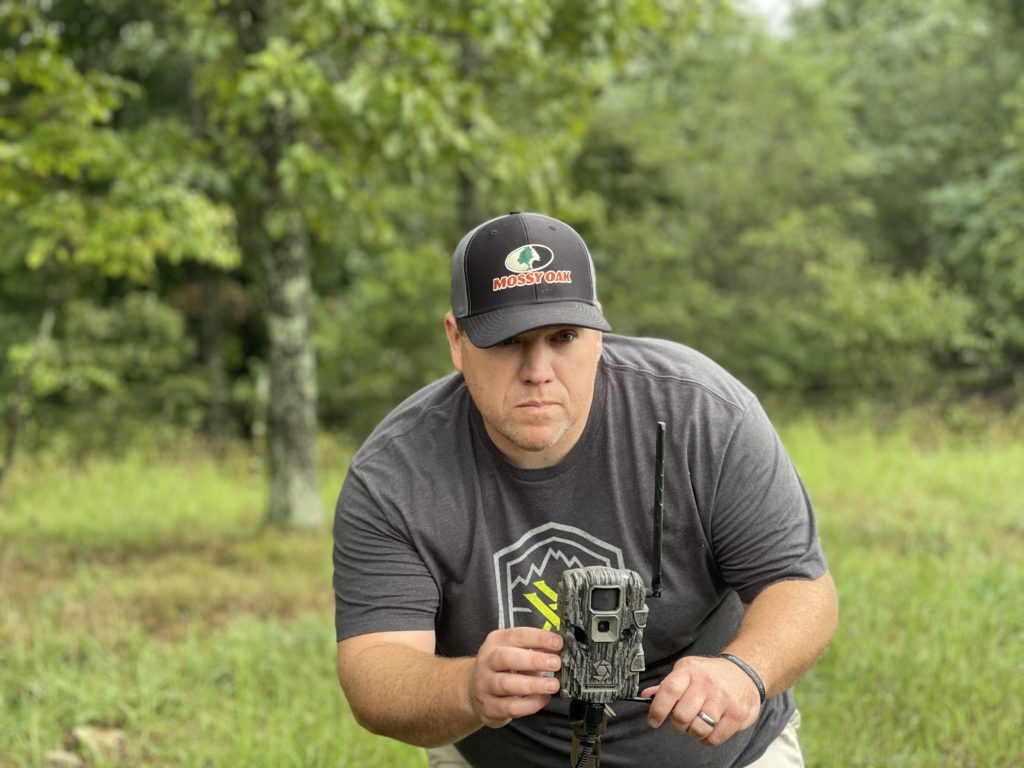
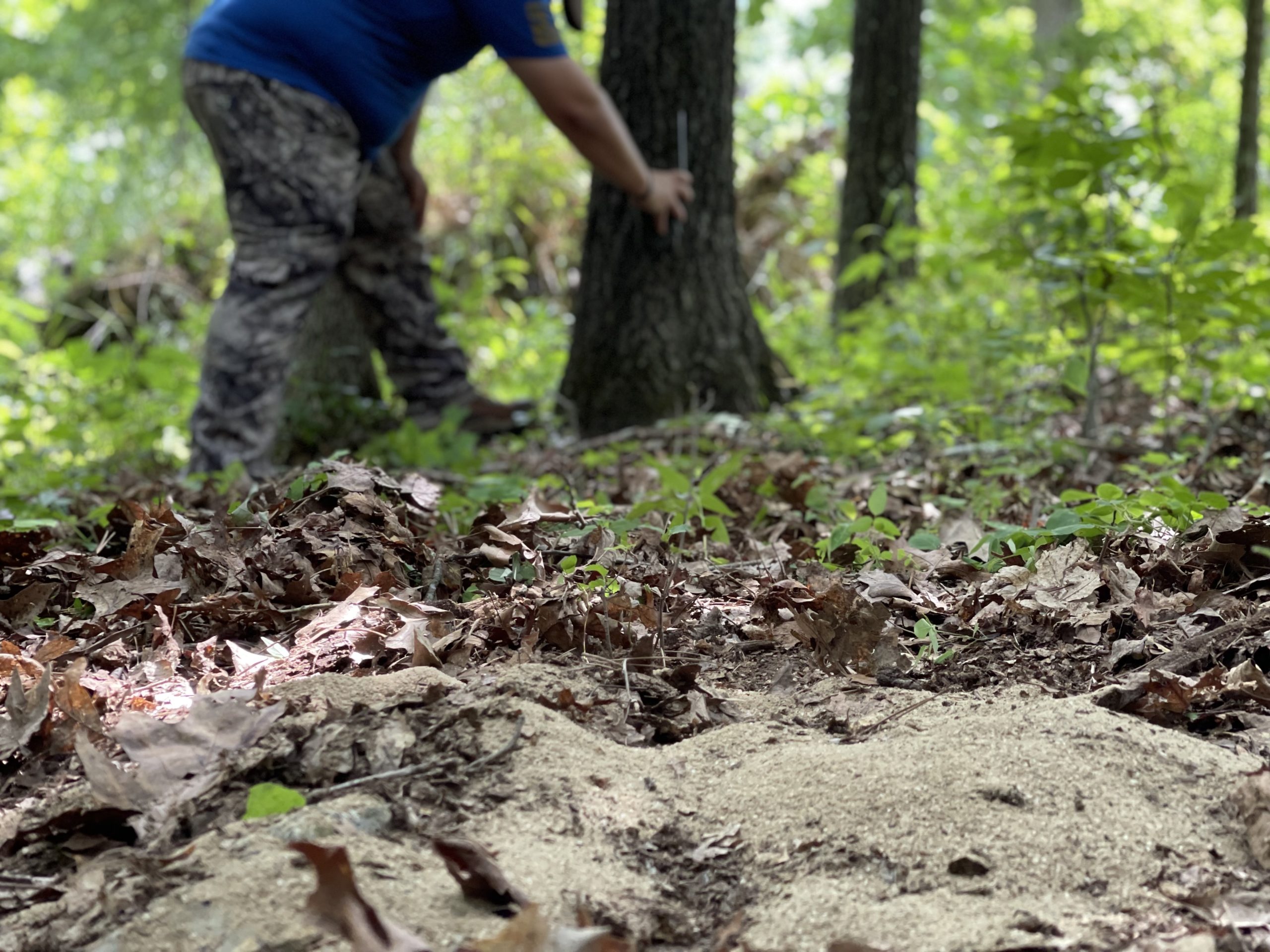
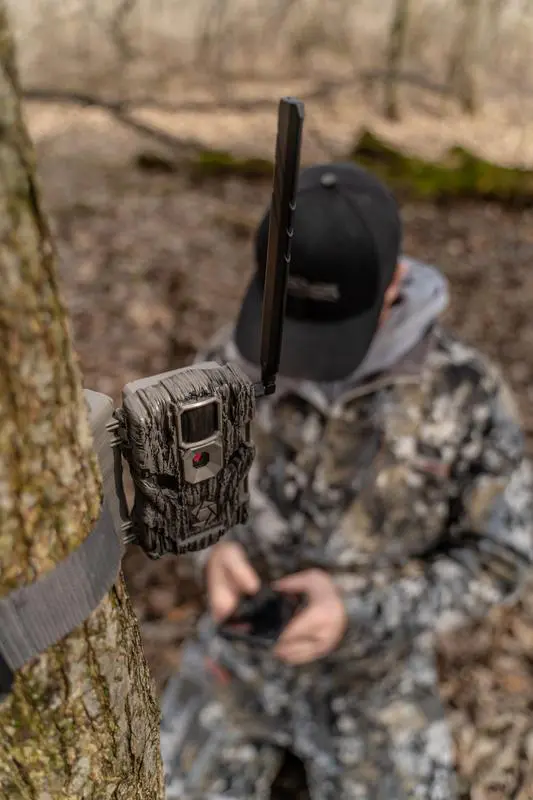
Using cellular cameras on scrapes works great because hunters do not have to visit the area to check cameras. When a hunter must often visit to retrieve memory cards, they leave their human scent behind each time. Cellular cameras help reduce the amount of human presence dramatically. At 4:00 p.m. that day, I received my first picture of a buck in one of the scrapes. For the next three weeks, I collected many pictures of different bucks and does visiting the two scrapes. Natural or mock scrapes are the ideal locations for pre-rut camera placement. Numerous bucks will visit one scrape. When a doe uses the scrape while in heat, the amount of buck activity triples on game cameras.