
By: Heath Wood
Few hunters would miss the opportunity to harvest a spring gobbler on the season’s opening day. Yet, in my hunting experiences, the most memorable and meaningful harvests have come from those gobblers who remained hard to hunt throughout the season but made a fatal mistake towards the end, resulting in my carrying them out of the woods over my shoulder. These hunts often require hard work, involve close calls, and take different strategies to make the harvest happen during the latter part of the hunting season. Many factors play into making the late season successful. However, many miss their opportunity due to the fatigue and mental exhaustion that comes from their efforts to harvest a mature gobbler.
Serious turkey hunters who love to travel to different areas or even different states can often feel the lasting effects that come from miles of driving, lack of sleep, and the loss of energy that is spent chasing the wild turkey up and down the hills and hollers or across the open flat lands. The hunters who enjoy staying close to home and putting all their efforts towards filling their tags in their home state also feel the fatigue that sets in after waking up early every morning for several days in a row. This exhaustion is often why many hunters give up before the season ends and lose enthusiasm. The good news for tired hunters is that during the late season, the turkeys themselves change their habits due to being fatigued from an extensive amount of energy from the breeding season. When this happens, turkey hunters can rely on cellular game camera technology to help lighten the load during the last days of the season, which can help close the deal before it is too late.
Cellular Cameras Near Strut Zones
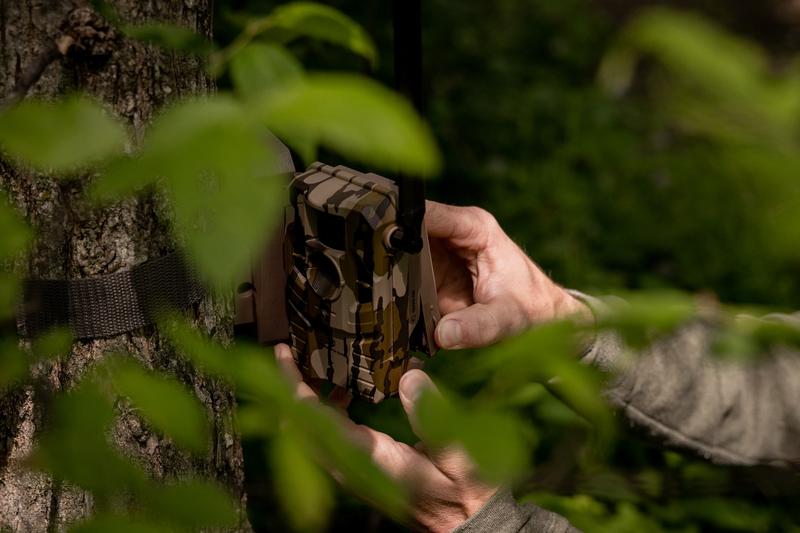
During the latter part of the spring, many toms can seem lazy by going to their mid-day strut zones and stalling until the hens come to them. After over a month of gobblers pursuing hens to breed, they too can become fatigued and less likely to travel far to answer a hunter’s call. By setting up a cellular camera such as the Stealth Cam Connect or the new Deceptor No-Glo camera, hunters can watch multiple strut zones and receive instant notifications when their trophy tom is in his zone, waiting on the hens.
Hunters using the new Stealth Cam ON-DEMAND feature even have the ability to capture a photo or video at any given time by using their Command Pro App. When a tom arrives in his strut zone, the hunter can move in close, set up, and begin calling, often getting within close range due to having information on the exact location of a tom.
Keep Close Track Of Hens
Another great advantage of using cellular cameras during the late season is to help keep track of when and where hens are located.
One of the most considerable obstacles preventing hunters from drawing a gobbler into close range and making a harvest comes from nearby hens, who often swoop in and steal the show. The excellent news for late-season hunters is that hens often have been pursed all they want during the last days of the season. Many hens have been bred and have begun preparing a nest and laying eggs. As the spring progresses, a hen spends more time on those nests. When hens are preoccupied with laying their eggs and nesting, the gobblers often become lonely and increase their efforts to find a lone hen who has not been bred, which often makes them easier to call into close range.
Setting up a cellular camera in areas where turkeys feed or spend time with gobblers can help keep track of where hens are located and when they spend time in specific locations. If the hunter stumbles upon a nest, that too can be a great location to sneak in and place a cellular camera.
By better understanding when and where most hens spend their time, the hunter can determine the best times to attempt to call without the competition of nearby hens, spoiling the show.
Scout Who’s Left
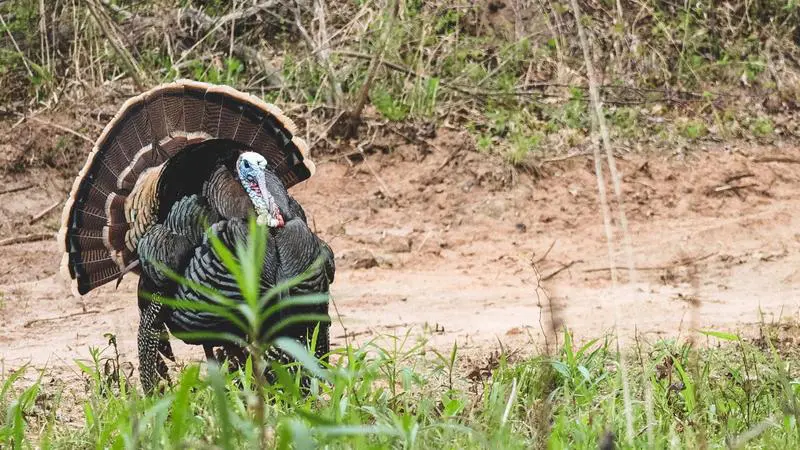
An oddly simple yet highly effective piece of hunting advice is only to hunt where there are turkeys. In the late season, many of the nearby turkeys have been hunted hard, pressured, or in some cases, harvested. Why waste your time if there are no turkeys in your hunting area?
When the hunter begins to experience less gobbling each morning and has difficulty locating turkeys, it may be time to set up a cellular camera and let it do the scouting. As with keeping track of nearby hens, setting up a cellular camera in popular feeding or strutting areas can aid in knowing how many toms remain during the last days. If the areas fail to show any gobblers, it may be a good idea to hunt somewhere else. If gobblers appear on cameras, the hunter may find that toms are just being call-shy due to being over-pressured.
Using cellular cameras to reveal the location and number of remaining gobblers in the area, the hunter can regain their enthusiasm and continue hunting until the season clock winds down.