
By: Josh Honeycutt
A single cam can work, but more cell cams are better. Here’s why.
Cellular trail cameras are the most advanced scouting tools available to the modern deer hunter. Unfortunately, most hunters are pretty vanilla with their trail cameras. So vanilla, in fact, that they only use one. If personal budget allows, a proper cellular trail camera deployment requires multiple cameras. Here are all the reasons why.
1. Not Nearly Enough Coverage
The first and foremost reason is for situations where one camera can’t cover the entire area. Even small properties can be underserved with one trail camera. Medium- to large-sized properties certainly require more than one camera. Some hunters hunt and/or manage multiple properties. In this case, one camera certainly can’t cover all bases.
Without question, properties are better served with additional cellular trail cameras. Some might only need two to three. Others might require 20 to 30. Of course, it’s disingenuous to provide a camera-to-acreage ratio. Oftentimes, it’s as much or more about habitat type, terrain, and topography. The landscape makeup might require one cell cam per 50 acres or 10 cameras per 50 acres. Study points of interest, such as pinch points, food plots, travel routes, and more, and make decisions accordingly.
2. Deer Have Large Home Ranges
According to most experts, the average buck in North America has a home range of approximately 650 acres or 1 square mile. In some areas deer have smaller home ranges. In others, home ranges are larger. In areas with poorer habitat, and with deer that exhibit nomadic tendencies, home ranges might be thousands of acres.
In any case, even bucks on the smaller end of the home range spectrum can live on several hundred acres. That poses a challenge for those hoping to use one camera to find a specific buck. Generally, one camera is disadvantaged when trying to locate the whereabouts of that deer.
3. Mature Bucks Have Specialized Core Areas
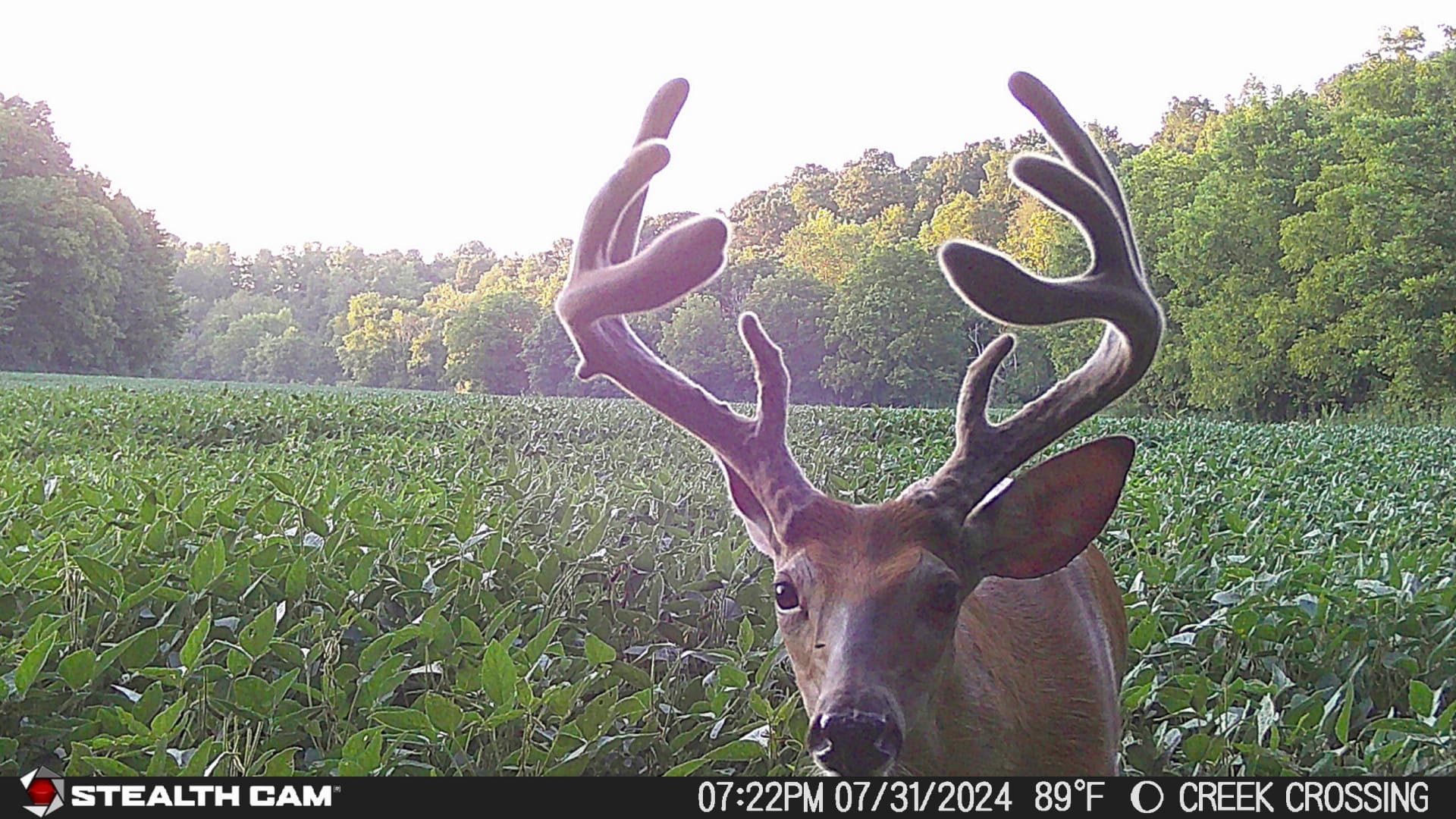
While home ranges are larger, core areas are smaller. Core areas are the spots that bucks spend the bulk of their time. It’s the acreages that offer the best bedding cover, water sources, and food sources. Oftentimes, while one camera can find a buck’s home range, it’s very difficult to drill down and pattern its core area.
4. Deer Live on Long-, Mid-, and Short-Term Patterns
Whitetails don’t live the same lives each day. They certainly don’t live life in the exact same places. Deer live on long-, mid-, and short-term patterns. Oftentimes, it takes multiple cameras to keep up with deer as they transition from place to place and pattern to pattern.
5. Deer Travel Patterns Are Seasonal
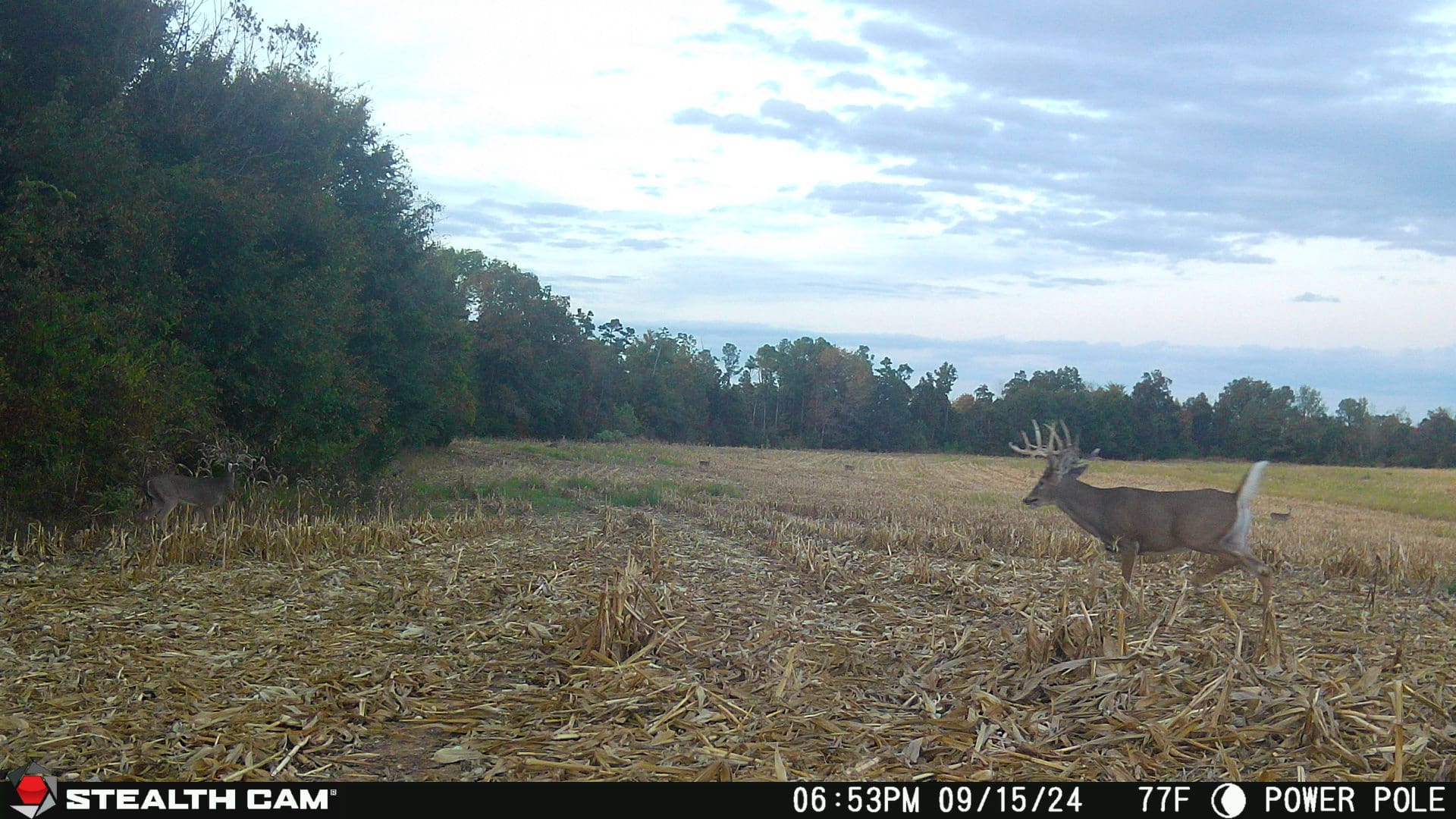
As mentioned, deer have varying degrees of patterns. Some of these are loose inhabitation of areas over longer periods. Others are short stints in certain places due to a short-lived food source or event (such as the rut). Because of this, certain travel patterns are seasonal. Keeping more cameras deployed increases the odds of keeping track of deer as they shift from one seasonal pattern to the next.
6. Trail Cameras Should Be Deployed in Layers
One of the best trail cameras tactics is “layering,” which is especially effective on properties with increased percentages of cover. This is where cameras are deployed in multiple layers. Layer 1 is the least intrusive, and classifies cameras on food sources, field edges, exterior food plots, etc. Layer 2 is slightly more intrusive, but relatively safe, including the outer third of timbered areas, staging areas, travel routes, water sources, etc.
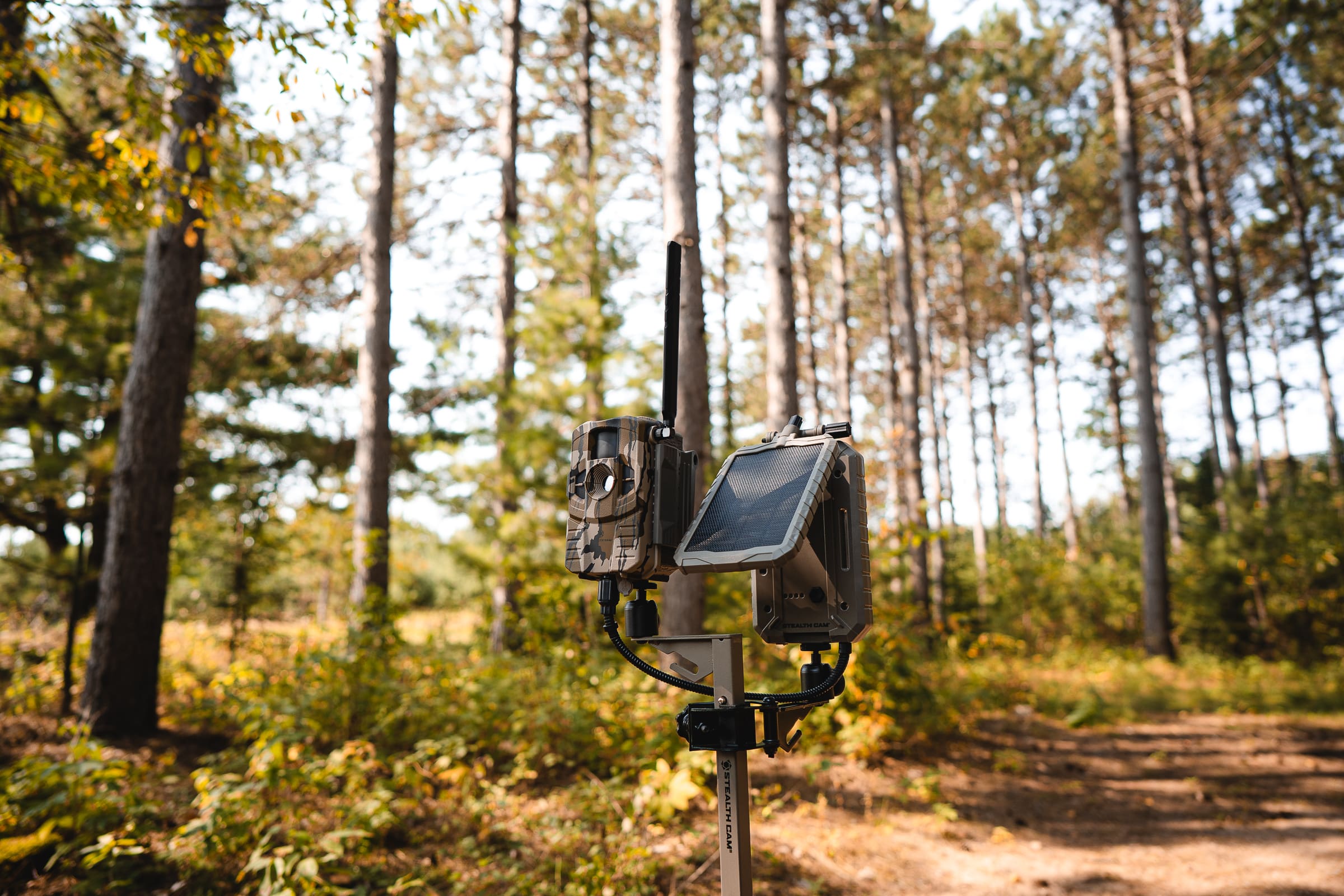
Layer 3 is quite intrusive, and comprises the edges of bedding areas, or other spots that require significant human intrusion to deploy or check the cameras. (Of course, layer 2 and 3 trail cameras should be SD cams that soak and remain unchecked all season, or cellular cameras with external battery sources that last the season.)
7. More Trail Cameras Means LESS Pressure (Sometimes)
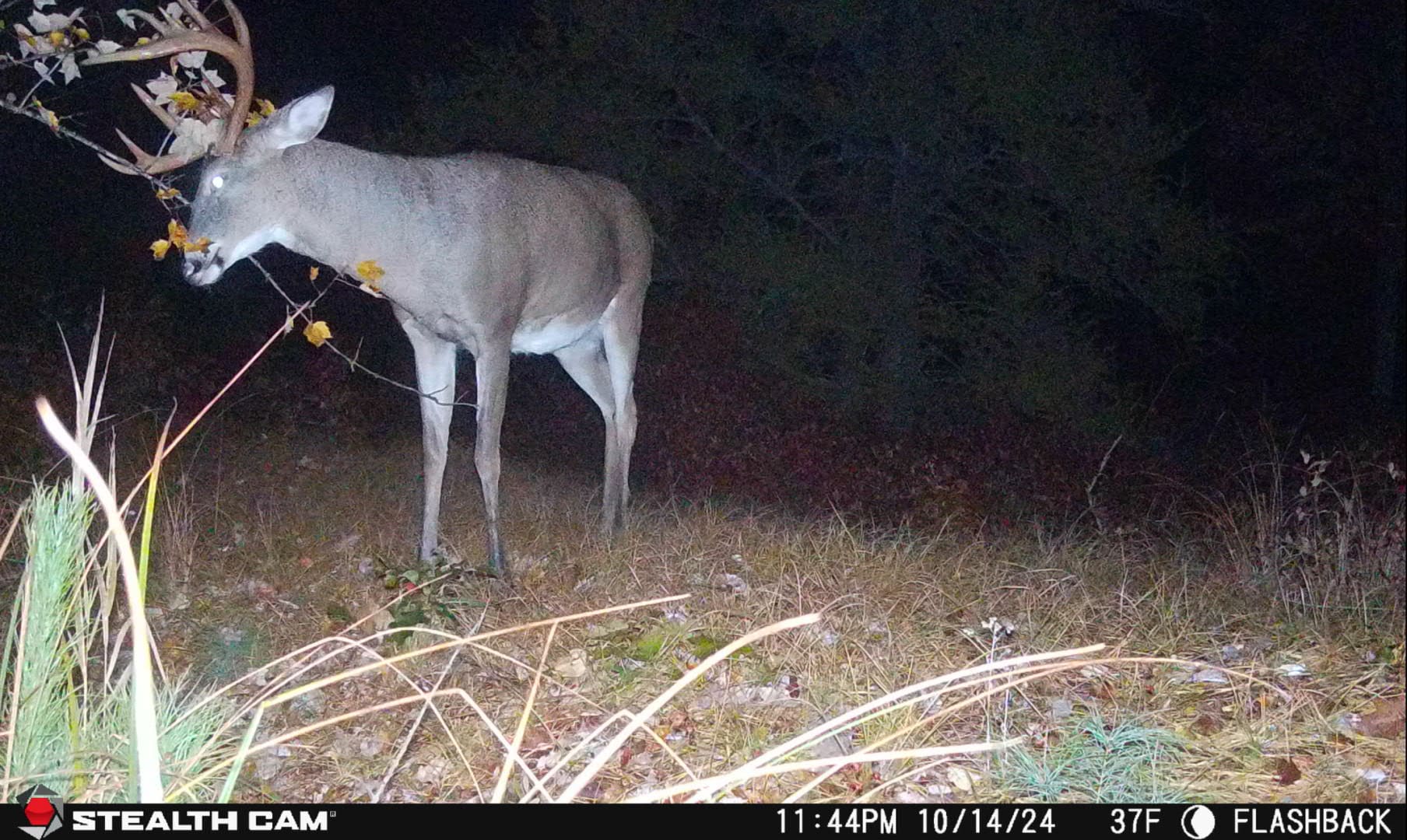
A proper trail camera deployment strikes a balance between too many cameras and not enough. Hitting that sweet spot can decrease pressure. By using cell cameras with long-term external battery sources, it limits the need to pull SD cards and reduces the volume of necessary in-the-field scouting. It doesn’t eliminate it completely, but it does reduce it. That decreases human intrusion, which matters.
8. Increased Immediate Scouting Intel
The crowned jewel of cellular trail camera benefit is real-time intel. This immediate scouting intel helps hunters capitalize on the shortest, subtlest of deer activity patterns. The more cameras in the field, the more on-demand scouting information hunters receive.
9. More Data for Data Crunching
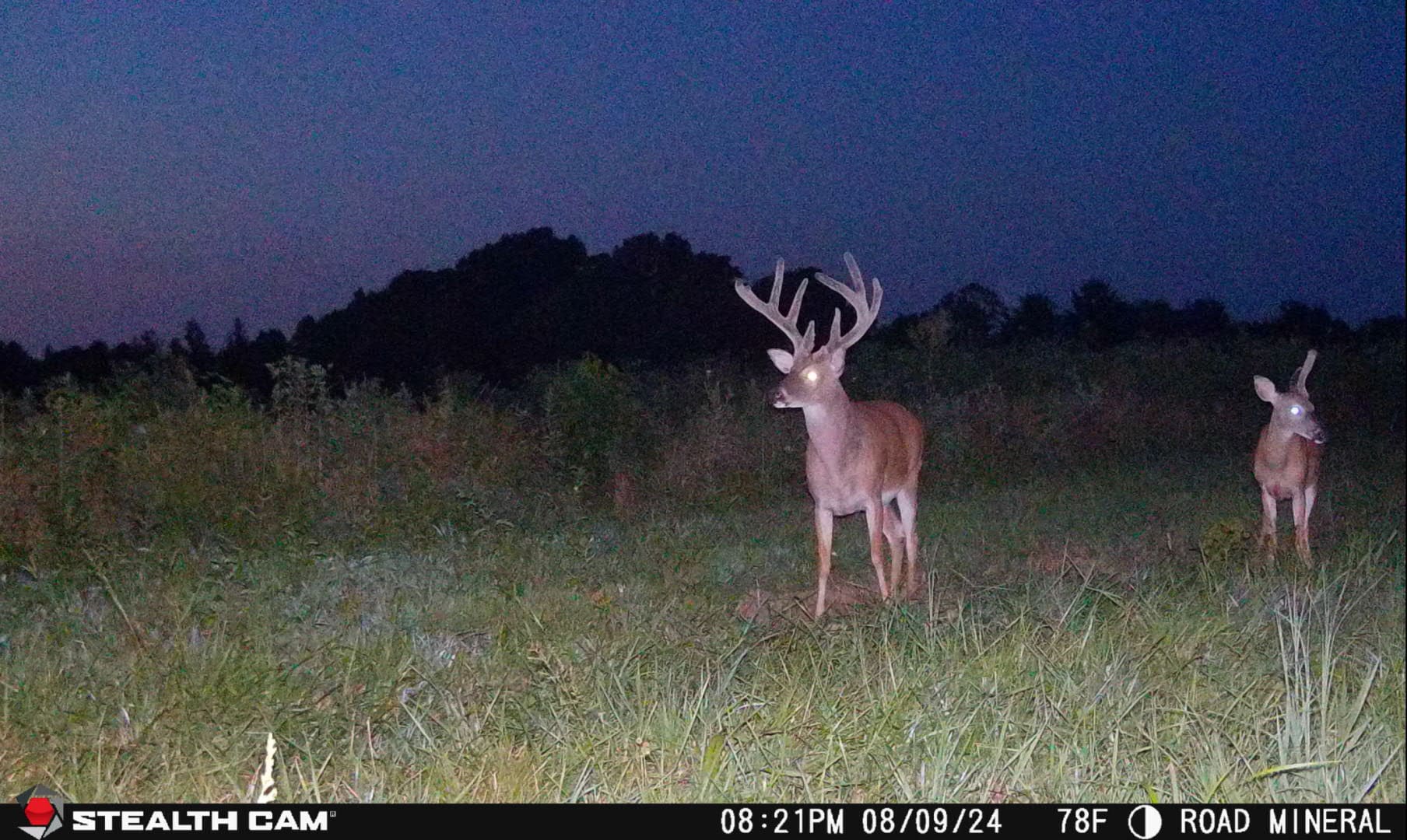
Trail cameras are data collection tools, and cellular trail cameras are king of that effort. The more cell cams in the field, the more data hunters have for crunching. This can translate into finding more target bucks, learning their patterns better, and finding improved ways to target them. It’s an important effort that can’t be duplicated without a larger camera deployment.
10. Cheaper Vehicle Fuel Costs
Deploying more cell cams decreases vehicle fuel costs. This is especially true for those who travel great distances, or travel quite frequently, to reach their hunting properties. Cell cameras paired with external battery sources minimize the need to head afield for trail cam-related reasons.
11. Less Personal Time Invested
Having cell cams equipped with external batteries also requires less time invested. This is due to fewer battery replacements and no card pulls. This frees hunters up to complete other tasks, whether these be work-, personal-, or hunting-related things.
12. Larger Trail Camera Deployments Find and Pattern Deer Faster
Oftentimes, larger trail camera deployments find deer faster than a single camera can accomplish. The same is true for patterning deer. This is relevant throughout the season. However, it’s even more important when hunters are short on scouting time. Maybe opening day is almost here. Perhaps it’s a period when deer behavior and patterns change rapidly, such as during the rut. Or, maybe season’s end is closing in, and there isn’t much time to find a target buck. Whatever the case, having more cameras in the field benefits hunters.
13. Trail Cameras Have Different Jobs (in Different Places)
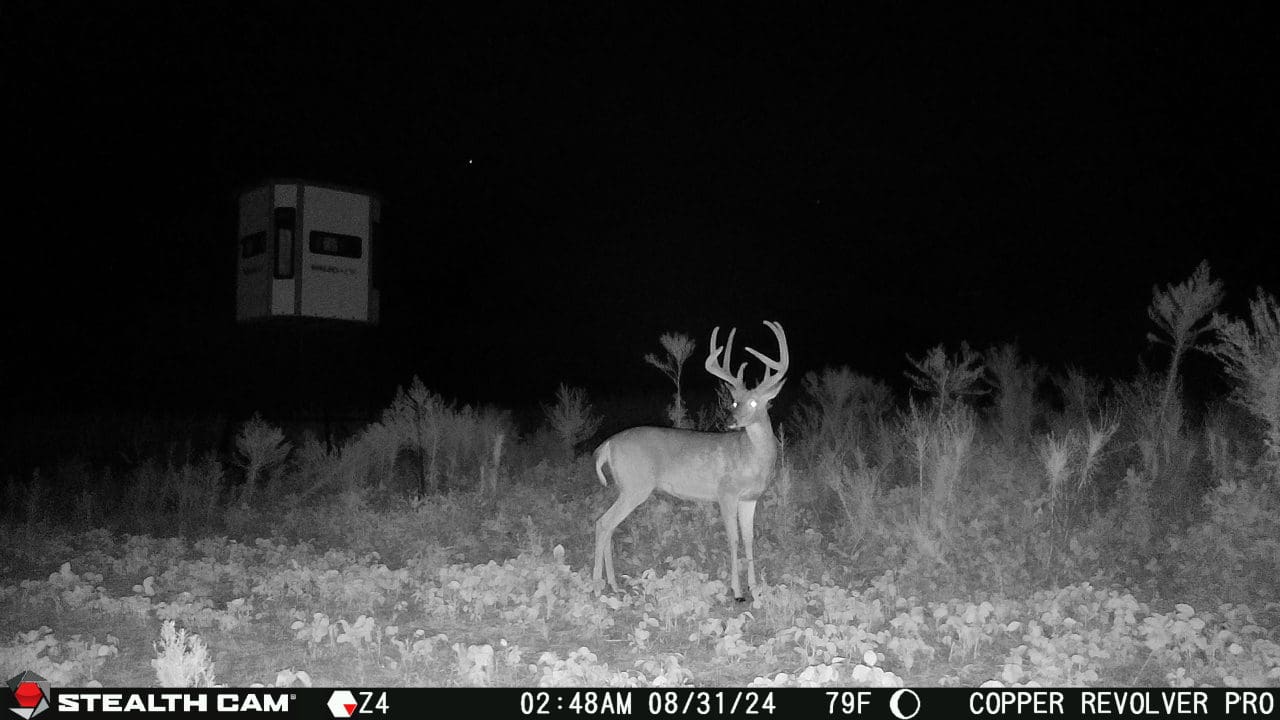
Trail cameras can be used for different jobs and places. For example, cameras might be dedicated to any number of tasks. Monitoring bedding areas, food plots, pinch points, travel routes, water sources, and more. They might be dedicated for your home farm, distant public land of interest, or out-of-state hunting property. Furthermore, different cameras are great for different things. A single-zone is ideal for many situations, but a 360-degree camera is best suited for numerous scenarios, including bedding area interiors, food plots, inside field corners, trail intersections, and more.
14. Because Data Plans Sometimes Improve with Additional Trail Cameras
Depending on the situation, an increase in trail cameras might lower your data plan cost basis per camera. Determine the best plan for your budget, hunting property (or properties), and the necessary cameras to cover the area.
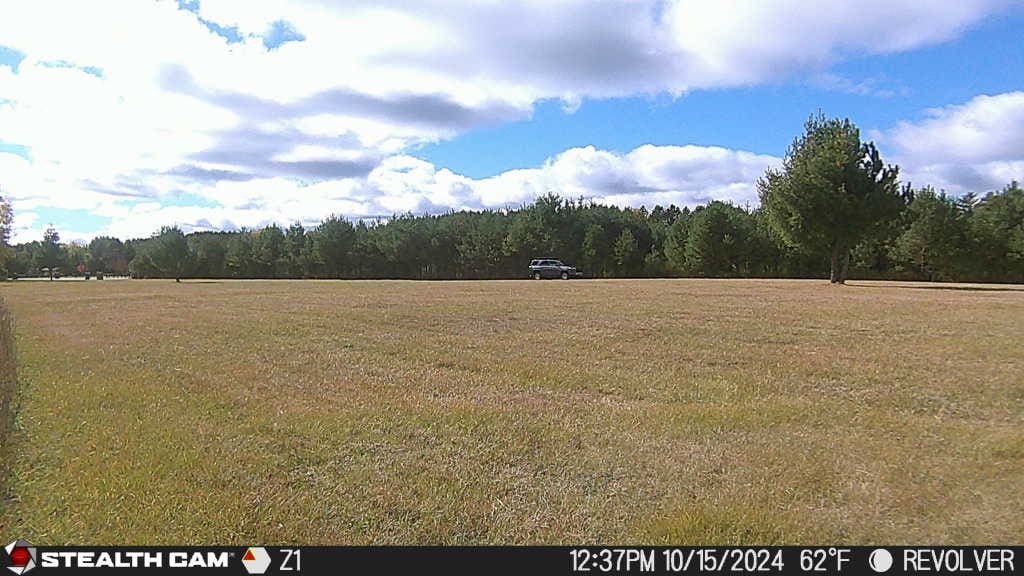
15. Some Cameras Might be Dedicated to Security
Bring It Home
While we should never use more cellular trail cameras than we can afford, it’s important to purchase that which budget allows. Don’t go to extremes but sign on for what your hunting property requires. One trail camera is fun, but a full slate of cams is even more so.
Of course, there is such a thing as too many trail cameras. Placing too many cameras can increase pressure, and lead to wasted funds. Strike the right balance, though, and it can lead to a great hunt outcome.
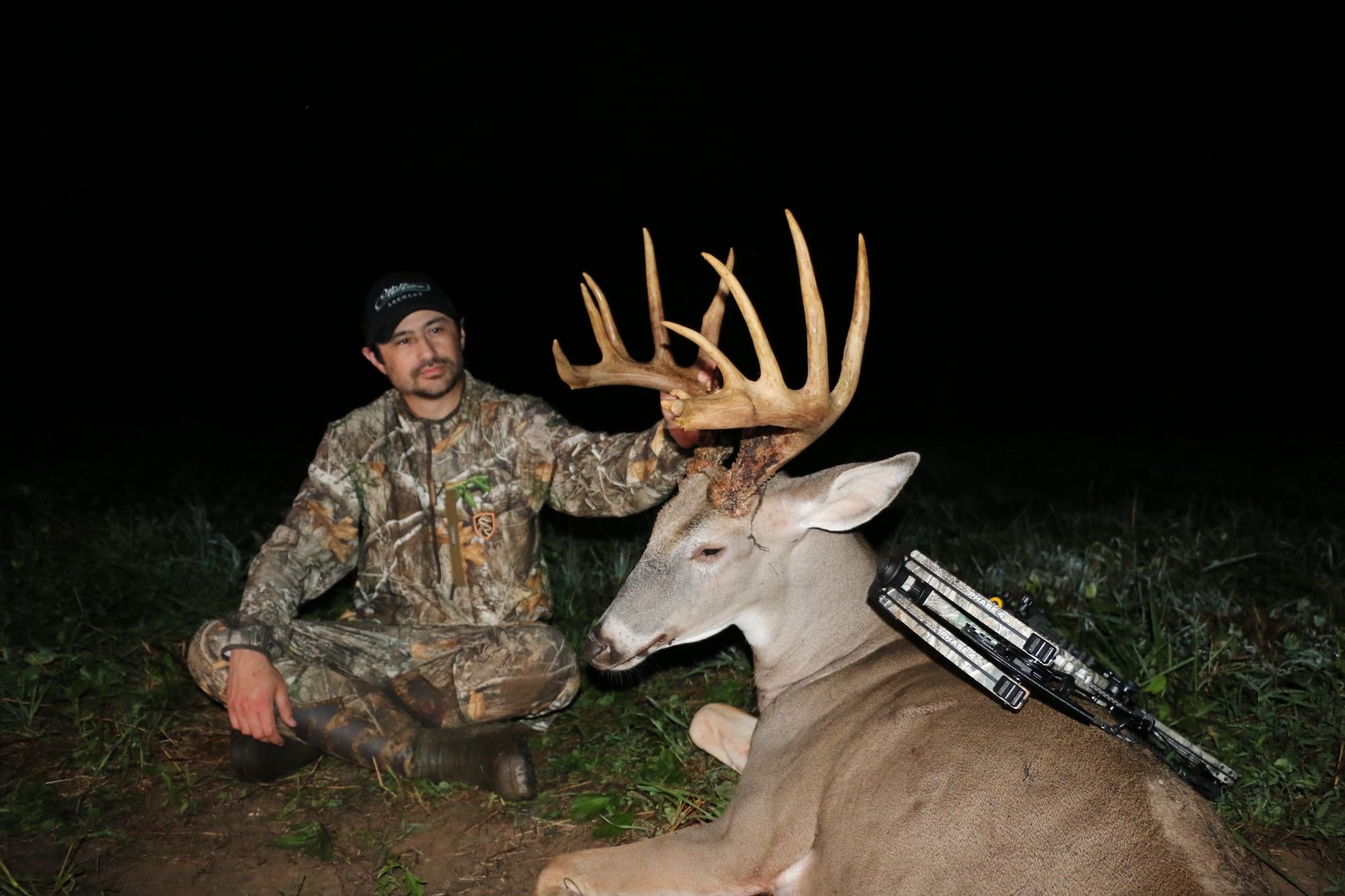
My 2023-24 deer season was a prime example of that. I didn’t go overboard on cameras, but I deployed enough of these in Kentucky and Ohio to keep proper tabs on my hunting leases. It led to me tagging a 160s-class 14-point Kentucky buck, and a 140s-class 10-point Ohio whitetail. You can do the same.
Shop Cellular Trail Cameras
Check out the latest Stealth Cam cellular trail cameras here. Discover special offers and more. All orders ship for free.