
One of the most exhilarating experiences for any deer hunter is successfully harvesting a mature buck. To achieve this, it’s essential to understand the deer’s behavior, including their tendencies during the rutting season. Scrapes, often created by bucks, are significant in this regard. This blog will explore how cellular game cameras, timing your hunt, and various hunting tactics can help you pattern a buck using scrapes.
How Cellular Game Cameras Can Help
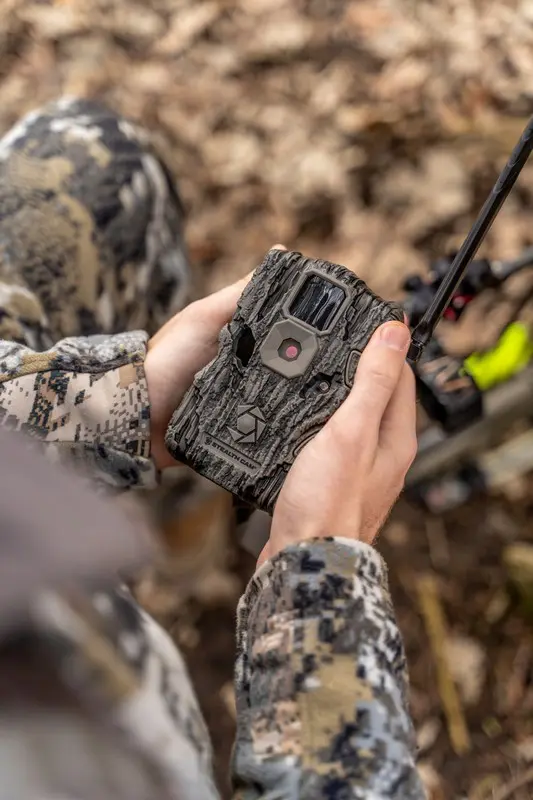
Cellular game cameras, such as the Stealth Cam Fusion X Pro and the Deceptor No-Glo, are valuable tools for monitoring and patterning bucks that frequent scrapes. These high-tech devices allow you to access real-time images and videos from your hunting location remotely. By placing them in front of scrapes, you can capture photographic evidence of deer activity, including the timing of visits and the specific bucks involved.
Setting up cellular game cameras near scrapes will help you:
- Identify individual bucks and their behavior.
- Determine the most active times when bucks visit scrapes.
- Monitor changes in deer patterns throughout the rutting season.
When to Hunt Scrapes
Knowing when to hunt scrapes is crucial for maximizing your chances of encountering a mature buck. The timing depends on the stage of the rutting season in your region. Here’s a rough guideline:
- Pre-Rut: Bucks establish their dominance and mark their territories in the rut’s early stages. Hunting near scrapes during this time can be productive and is often one of the hunter’s favorite times to hunt.
- Peak Rut: As the rut reaches its peak, bucks become more actively involved in scrape-making and seek out does for mating. Yet, this period can become very time-sensitive due to bucks using scrapes less often when actively chasing does who have gone into full estrus and are near ready to let a buck breed them.
- Post-Rut: Bucks may still visit scrapes after the peak rut, but the frequency decreases. Hunting scrapes during this phase can be a hit or miss. However, when the so-called ‘second rut’ occurs, scrapes can often be regenerated to find does who did not get bred during the first rut and have now come into estrus a second time or for younger does who are coming into estrus the first time.
Why Bucks Make Scrapes
Bucks create scrapes primarily for communication and dominance purposes. These ground markings serve the following functions:
- Scent Communication: Bucks urinate on scrapes, leaving their scent as a signal to other deer, especially does, indicating their presence and readiness to mate.
- Dominance Display: Scrapes are also a way for bucks to assert dominance over rival males. They paw at the ground, leaving scent and visual cues.
Do Does Use Scrapes?
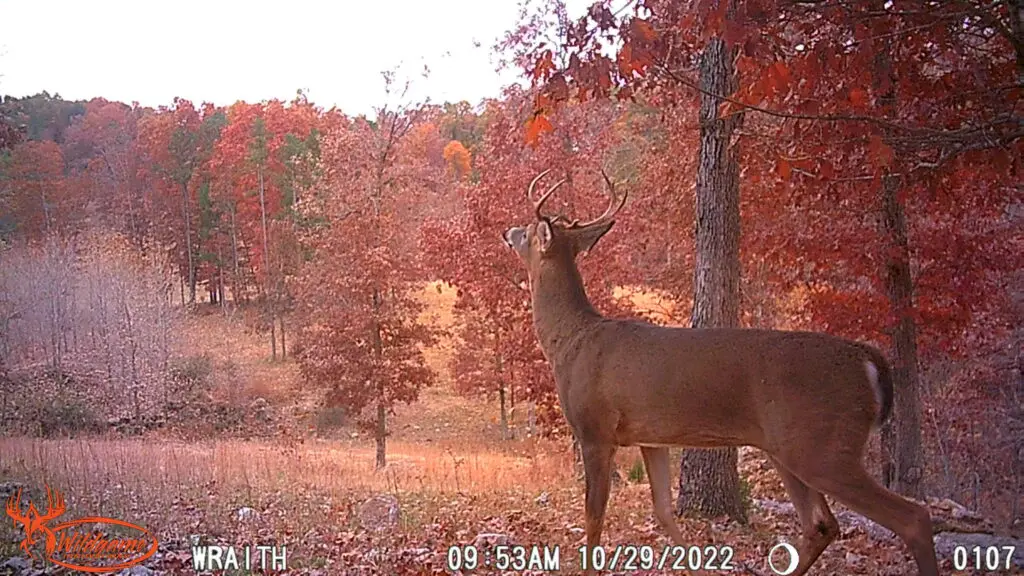
While scrapes are typically associated with bucks, does also visit them, especially during the peak rut when they are actively seeking mates. Does may be attracted to scrapes to assess the scent left by bucks or to find potential mates. Therefore, hunting near scrapes can increase your chances of encountering both bucks and does during the rut.
Scent Strategies for Mock Scrapes
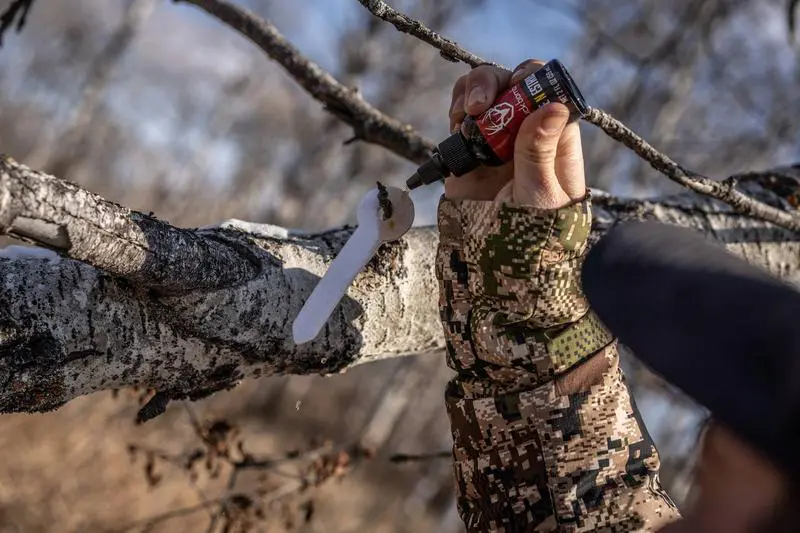
Creating mock scrapes is a popular strategy to attract deer and pattern their movements, and like many hunters, it is one of my favorite times to use scents and lures while making mock scrapes. When making mock scrapes, it is essential to use scents that mimic natural deer urine, such as the Buck Bomb She-Heat Scent Web or one of my all-time favorites, the Hunters Specialties Doe Estrus Scent Wafers, which I have used for many years. Common scents for mock scrapes include doe estrus, buck urine, and dominant buck gland scents. These scents can lure deer to investigate and potentially create more scrapes in the area. Plus, placing them in a specific location with a treestand set up nearby is ideal.
When bowhunting near scrapes, treestand placement is critical. Position your stand downwind from the scrape to minimize the chances of deer scenting you. The distance from the scrape depends on your shooting skills and equipment, but a range of 20 yards is often a good starting point and is often used as a reference point when bucks are approaching and the hunter doesn’t have time to use their rangefinder.
Hunting scrape lines can be a highly effective strategy for patterning and harvesting mature bucks during the rutting season. Cellular game cameras provide valuable insights into deer activity, and understanding the timing of your hunt is essential. Bucks create scrapes for communication and dominance and does can also be found visiting these locations. Using the right scents for mock scrapes can enhance your chances, and careful treestand placement is crucial for a successful hunt. With these tactics in mind, you’ll be on your way to a rewarding deer season.