
Article written by Stealth Cam contributor, Josh Honeycutt.
One cam goes up, and three days later, a giant whitetail appears. It’s in the middle of the night, and no daylight photos in sight. What now? How do you harvest that huge buck on your trail camera?
Oftentimes, hunters only put out one or two trail cams. Ultimately, they take inventory of (some) deer that utilize the property, but little more. They don’t catch every deer in the area, and certainly don’t produce daylight pattern intel on specific target bucks.
So, for those with a monster buck on trail camera, how do we bridge the gap between alive and well and dead on the wall? This is that road map. Here’s how to kill that huge buck on trail camera.
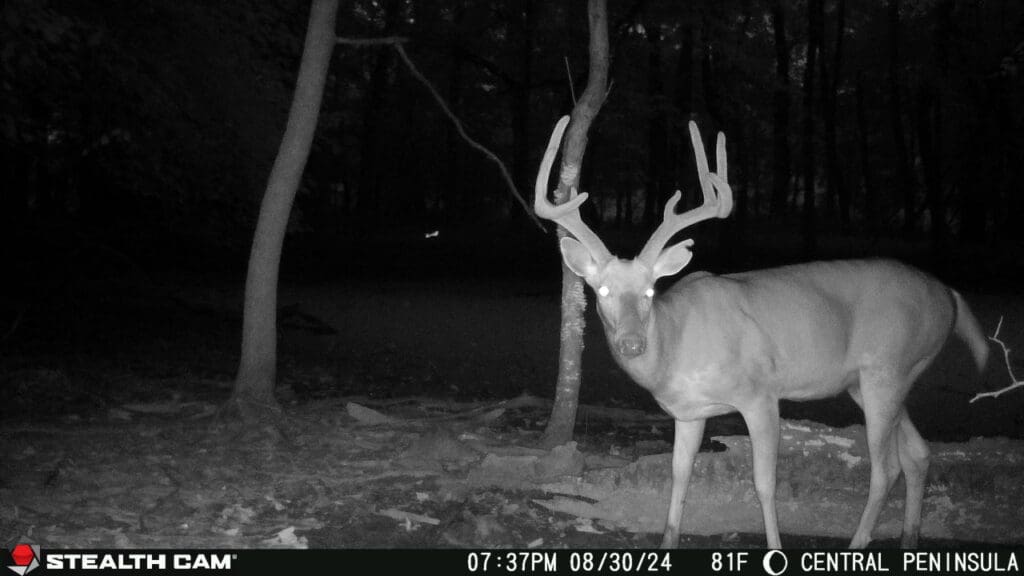
Study the Current Trail Camera Data
It’s important to study the trail camera information you have. Don’t ignore the intel you’ve already collected. So, what time of year is it? Is it day or night? Where was the camera placed? These and more are crucial questions to ask and address, as the answers to these help determine where a deer is bedding, feeding, traveling, and more.
One thing is for sure, if you have multiple trail camera photos of a deer, you’re within its home range. (The average home range of a whitetail is 650 acres.) Unless receiving daylight photos, or near-daylight photos, it might not be within the deer’s core area, though. (The average core area is about 30-50 acres.)
So, study what information you have. Furthermore, analyze what direction you think the deer is coming from. Guestimate where you think deer are bedding, feeding, etc.
Study Historical Trail Camera Data
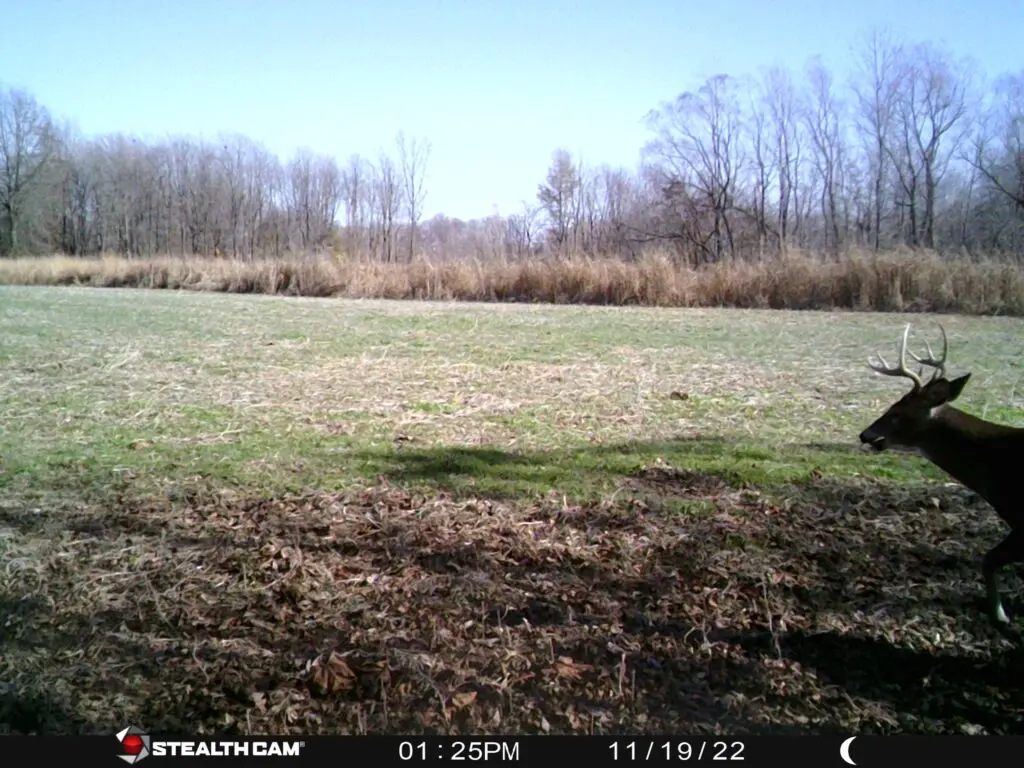
In addition to studying the current photos from your one or two cams, reflect on available historical trail camera data, too. Did you have photos last season? If so, consider those locations. This is valuable information, because if landscape conditions are relatively similar, the deer should repeat some behaviors year-over-year.
Analyze Aerial and Topo Maps to Find Big-Buck Bedding
With current and/or historical trail camera data in mind, analyze aerial and topo views of the property. Accomplish this via your HuntStand Pro Whitetail subscription. Benefit from its many layers and tools, of which can even display your integrated Stealth Cam cell cam photos that feed through the Command Pro app.
When analyzing aerial, topo, and/or 3D views of the property, drop a pin where you’re currently receiving photos of the deer. Study the property components, and gauge where you believe the deer might be bedding, feeding, watering, etc.
Deploy Your Remaining Trail Cameras
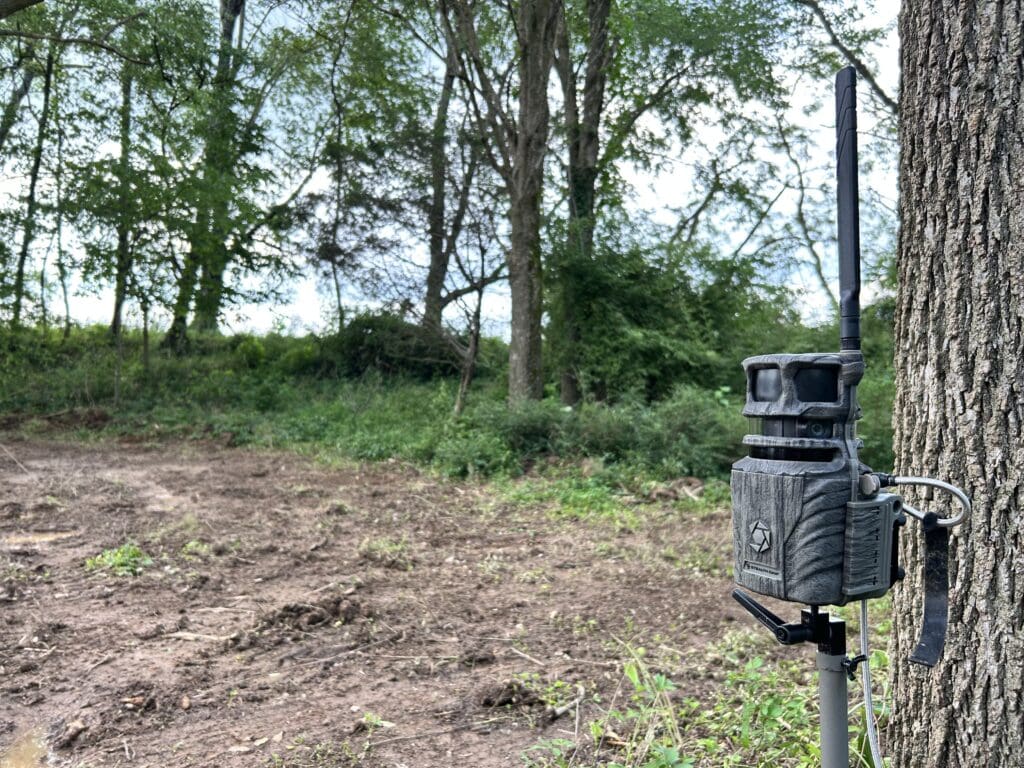
You deployed one or two cams to take inventory. You held back at least two others to place in important areas to home in on a target buck’s core area. With a good idea of where to place remaining trail cameras, deploy your remaining sentinels. Post these in likely areas that should capture movements of the big buck from your initial camera. Study the first and last frames in each photo sequence to determine what its line of travel might be.
Move Trail Cameras as Needed
If necessary, move the original cam(s) that captured photos of the buck. Use this cam (or these cams) in unison with the latest deployment. Form a coordinated effort among these cellular devices to home in on the target buck’s primary location.
Furthermore, let’s face it — it might take time to kill that buck. And deer shift to different parts of their home ranges throughout the season. Where you placed cameras in summer and early fall likely won’t be the right spots all season long.
For example, as the rut nears, position these in key areas. Such spots include doe bedding areas, leeward ridges, funnels, pinch points, saddles, trail intersections, water sources, and other areas that offer thick cover for bedding and nearby food sources.
Wait for the Right Conditions
Those who hope to shoot a mature buck must wait for the right conditions. Of course, deer are crepuscular, meaning they move most during the first and last hours of the day. (Plus, at night, of course.)
That said, there are certain times when deer tend to move more during daylight hours. (And later into mornings and earlier of an afternoon.)
Just a few of these examples include when weather temperatures are below historical averages. Also, just before and after weather fronts push through. Sudden mild to moderate weather events (rain showers, snow showers, etc.) can spark early movement, too, especially if in early or midafternoon. Furthermore, when the barometric pressure is close to 30 and rising, deer movement pops. And of course, when a buck has the wind direction in its favor, that helps, too.
That’s a lot of variables to keep track of, though. Therefore, hunters should subscribe to HuntStand Pro Whitetail. Use the Whitetail Activity Forecast — which factors in the above deer-movemaent ingredients and more — to provide percentage-based predictions for deer movement.
Use Good Entry and Exit Routes
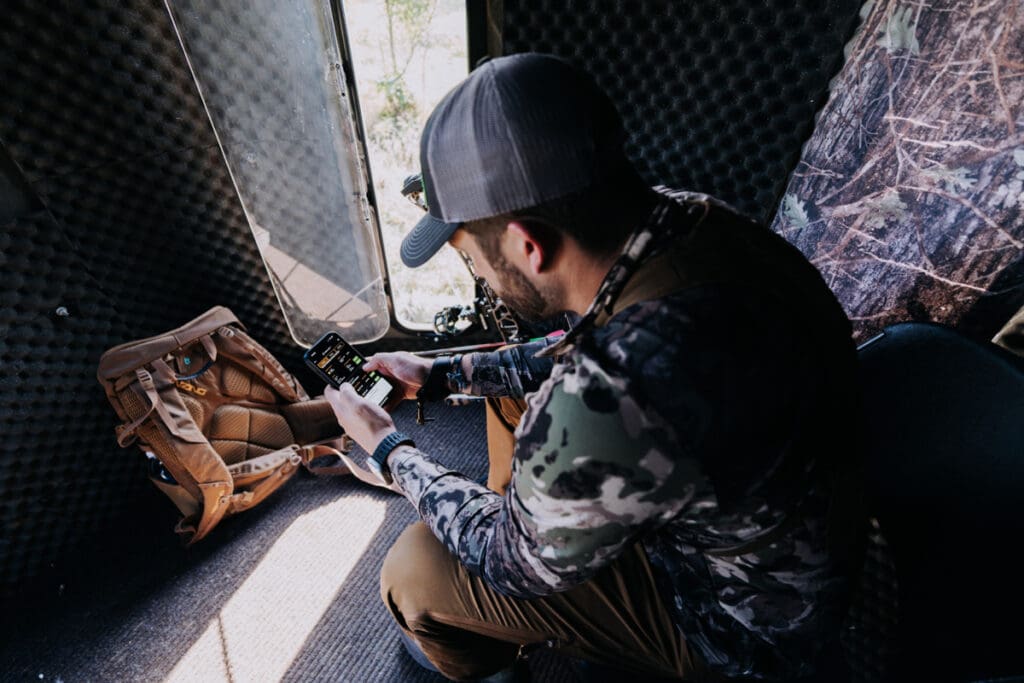
A good plan of attack requires quality entry and exit routes. Take paths to and from the stand that doesn’t alert deer to your presence. They must not see, hear, or smell you, or the gig is up. Because if you spook deer on the way in, it’s good for zero hunts. Spook deer on the way out, and it’s good for only one.
Plant some Egyptian wheat or giant Miscanthus. Cut a path through cover as access. Avoid walking near bedding areas and food sources at the wrong times. Use drainage ditches. Walk shallow creeks and streams. Walk through standing corn. Walk slowly in the field. Walk in the dark without a flashlight (in safe terrain).
Plus, consider scent as you walk. Don’t allow your scent to carry into deer-sensitive areas. Walk through shallow streams to reduce or eliminate ground scent. Plus, muffle the sound with soft soil and larger rocks in the creek bed. (Be careful not to slip and fall.)
Balance Quality and Quantity
When hunting big deer, it’s crucial to balance quality and quantity. Know when a hunt is unlikely to produce, and therefore, a poor time to sit on stand. In contrast, recognize quality days, and be there when it counts.
Overall, understand that, in some instances, the quality of hunts is better. In others, the quantity reigns supreme. Of course, hunters must analyze the situation and determine if it calls for quality or quantity.
For example, usually, if there’s good entry and exit routes, you can get away with more hunts. Therefore, you’re better off hunting more days, even if some of these are of lesser quality. In areas where access routes aren’t as good, and you risk pressuring deer walking in the field, or once in the treestand, perhaps quality is the better route. For the former, more days afield increases odds of an encounter. With the latter, waiting for great conditions ensures the target buck is more likely to be there when you finally make a move. Keep an eye on your cell cams to help make this decision.
Dive Deeper into Cover
If hunting the fringes of properties isn’t working, perhaps it’s time to dive deeper into cover. Choose an area that’s closer to the bedding, but still outside the bedroom. Better yet, find a staging area adjacent to bedding between the bed and destination food source.
All said, sometimes it takes hunting deeper in cover to see older deer. It’s not uncommon for big, old whitetails to hang up under cover until dark. Then, they push out into the open. If you hope to have a chance to tag such bucks, you must hunt in the security cover where they spend most daylight hours.
For Next Season: Make Your Land More Attractive
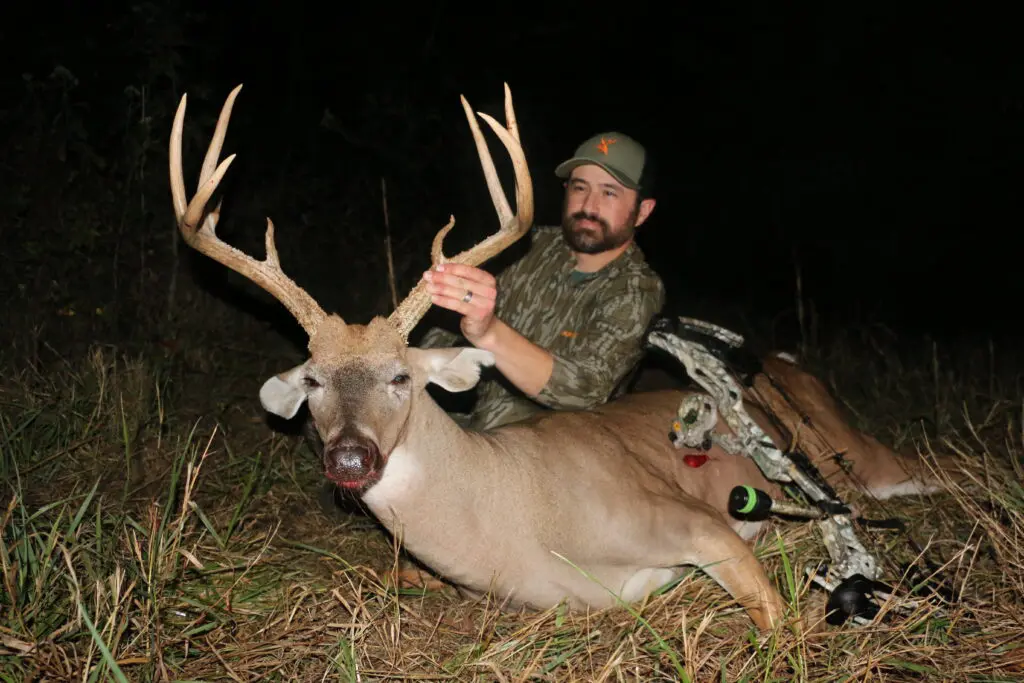
Chances are you might not kill that buck this season. Hopefully you do, but if you don’t, think about next year. Make changes to the land that make it even more attractive.
To begin, analyze the limiting factors on your hunting property. (These are things your property inadequately offers or completely lacks.) Usually, this is bedding cover, food sources, and/or water sources. It might even be human intrusion, especially if you hunt too much or use poor entry and exit routes.
Regardless of how things play out, give it your best shot. Work hard and leave it all in the field, and you won’t be sorry with the outcome of deer season. And odds are good you just might even kill that huge buck on trail camera.
Expand Your Trail Camera Network
Check out the latest in cellular trail camera technology and take advantage of special offers.