Article by Josh Honeycutt
New hunters often lump whitetails into broad categories, such as pre-season (summer), early season, pre-rut, rut, late-season, and off-season (late winter/spring). These certainly are viable classifications, but they don’t aptly describe the entirety of a whitetail’s annual calendar.
The above designations are the most basic, zoomed out, and all-encompassing of lenses. Begin zooming in, and you start to see macro and micro patterns. Day-to-day deer behaviors exist on long-, mid-, and short-term patterns. While some longer patterns last weeks or months (i.e.: use of a soybean field), shorter patterns can change in a day.
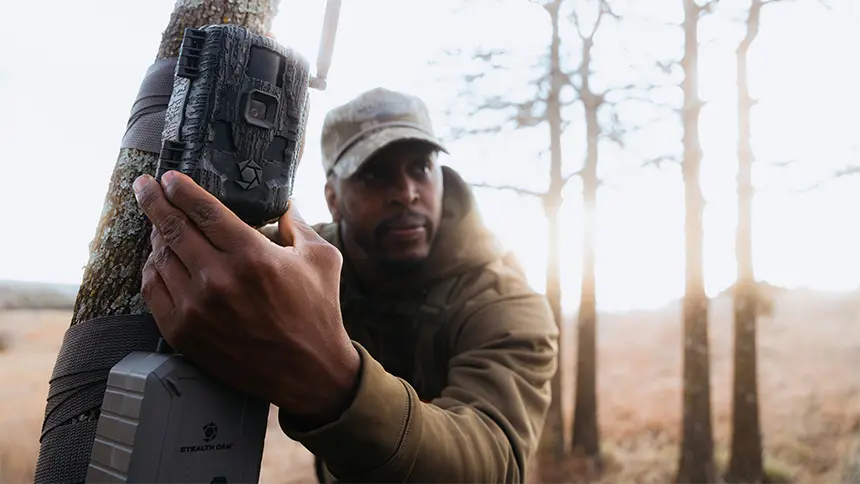
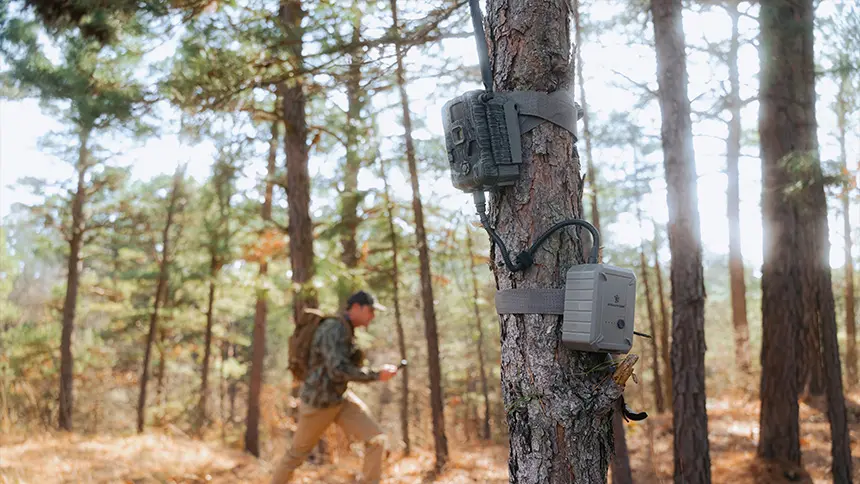
Because of the variability and changes in day-to-day behaviors of whitetails, it’s crucial to run cell cams to determine what’s happening, and how deer change, as time goes on. Even when breaking down early summer vs. late summer, associated scouting timelines reveal various differences, advantages, and more. Read on for early summer scouting plans and the best spots for your brand-new Stealth Cam 3.0 cellular trail cameras.
1. Locating Early Summer Bedding
Whitetails use different bedding areas throughout the year. They choose spots that differ based on their seasonal needs. To that point, deer often bed in strategic locations throughout summer, including north-facing slopes, along waterways, and other cooler spots with lower temperatures. Don’t invade these bedding areas. Rather, position cameras along travel routes leading in and out of these locations.
2. Finding Emerging Crop Fields
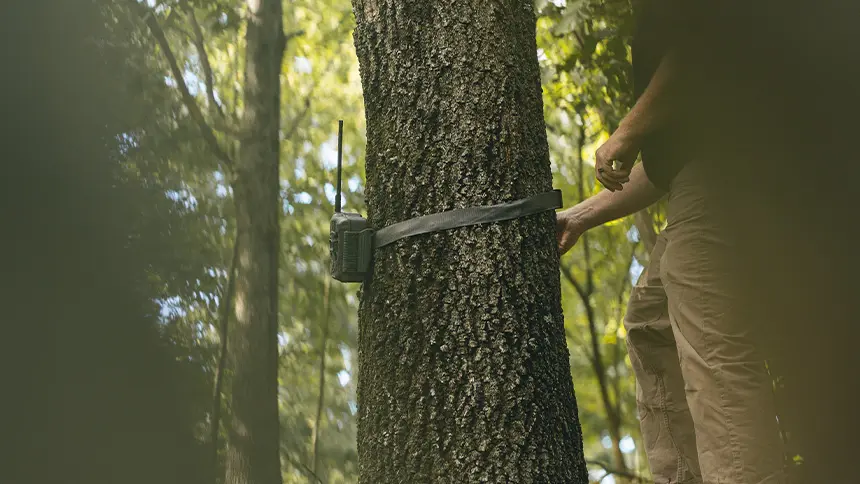
Deer are referred to as concentrate selectors, meaning, they love fresh, tender plant growth. As crop fields emerge in early summer, deer target these short stands of corn, sorghum, soybeans, and others. Place cameras in field pinch-points, inside field corners, and lower spots where thermals collect (which deer benefit from).
3. Watching Well-Timed Clover and Other Natural Food Sources
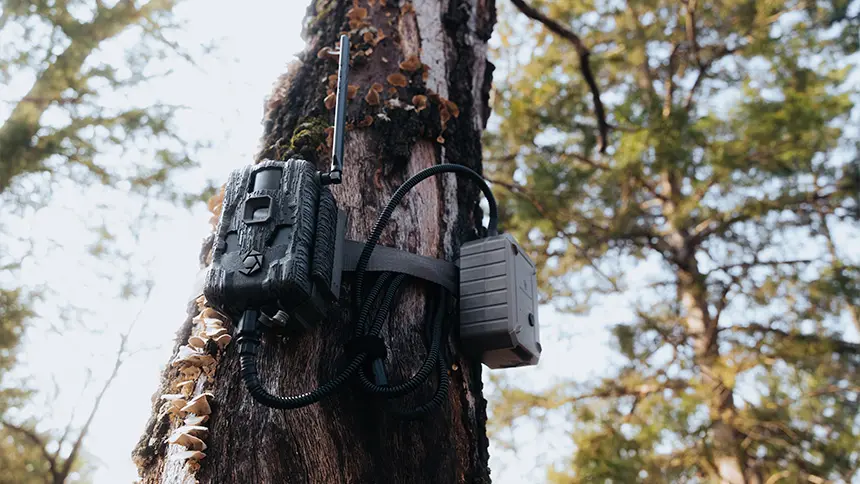
Deer love clover. Various species that hunters commonly plant include Alsike, Ladino, red, strawberry, white, and other varieties. Those wanting a high-quality annual clover should plant crimson clover, which deer love. Rose clover is another popular annual option in the South. Oftentimes, the best selection is planting a variety of clover species, so they peak at different times, and you provide a longer window of greater usage in food plots. Of course, post cams along trail emergences to the food plot and pinch-points within it.
4. Camping Over Summer Food Plots
Clover isn’t the only viable selection for summer food plots. Other great picks include buckwheat, chicory, cowpeas, iron clay peas, lablab, soybeans, and more. These draw deer from early summer through early fall. As with clover, monitor these highly attractive food plots with your cell cams.
5. Establishing a Mineral Lick
Whitetails need minerals year-round, but these are especially important from late winter through late summer. Where legal, establish mineral licks for the deer herd. Place these in strategic locations close to water. (It’s been proven deer intake more mineral and protein when located closer to water sources.) Once again, use cellular cameras to take inventory of deer visiting mineral.
6. Monitoring Creek Crossings
Creek crossings, and other crossings associated with ditches, rivers, etc., see a lot of deer activity. These serve as pinch-points where deer cross waterways out of convenience, or sometimes, are forced to pass over in these spots. Regardless, use cellular trail cameras to observe deer as they come and go.
7. Using the Timelapse Trail Camera Mode
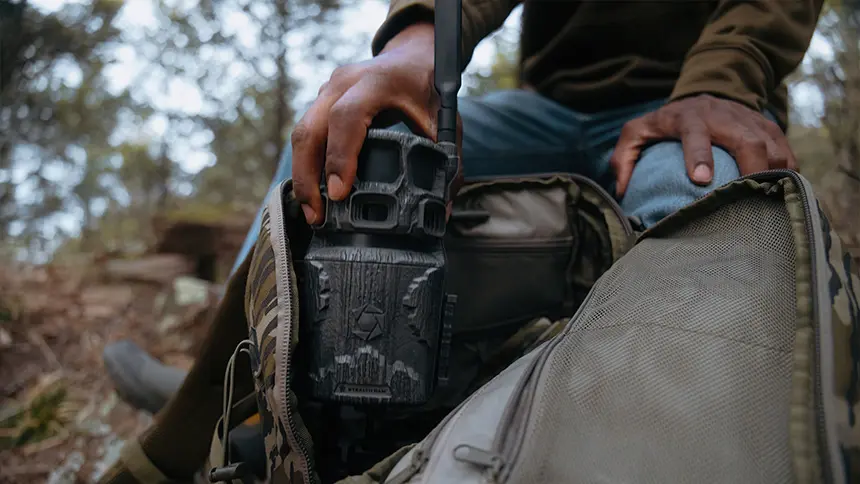
Timelapse is an excellent tool for early summer scouting. It pairs well with more open settings, such as food plots and ag fields. It’s especially useful when these openings still have low-lying foliage and deer are easier to see at a distance.
8. Running Cameras in Video Mode
Photos are great, but video trumps in most trail camera scenarios. With video (and audio), hunters can see (and hear) key whitetail behaviors. This allows hunters to observe how aggressive or passive deer might be, as pecking orders begin to establish throughout the velvet phase. Plus, with video, hunters can see deer enter and exit the frame that photo mode might otherwise miss.
9. Deploying the Live View Setting
With Stealth Cam’s new Live View mode, hunters can get the most from cellular trail camera capabilities. The all-new 2026 3.0 cellular trail cameras offer this feature. Use it when bucks trigger cams or on-demand as you see fit. It places ultimate control in the hands of trail camera users.
10. Shifting Cameras as Patterns Change Throughout Summer
As expressed, whitetail patterns change throughout the year. Therefore, as patterns shift and new ones emerge, continue repositioning cameras as needed. The beauty of beginning in early summer is you get a head start on finding target bucks of interest (which takes time). Likewise, you have more time to adjust if/when their patterns alter — time which can be much more costly if deploying cameras right before deer season arrives.
Benefit From the Stealth Cam 3.0 Lineup
Those hoping for a successful summer scouting campaign can benefit from Stealth Cam’s new lineup of 2026 cellular trail camera offerings. The Stealth Cam 3.0 camera lineup launched on June 1. With the latest advancements with these models, it’s never been more beneficial to get cameras out early. These new features enhance the effectiveness of summer scouting, especially earlier in summer.
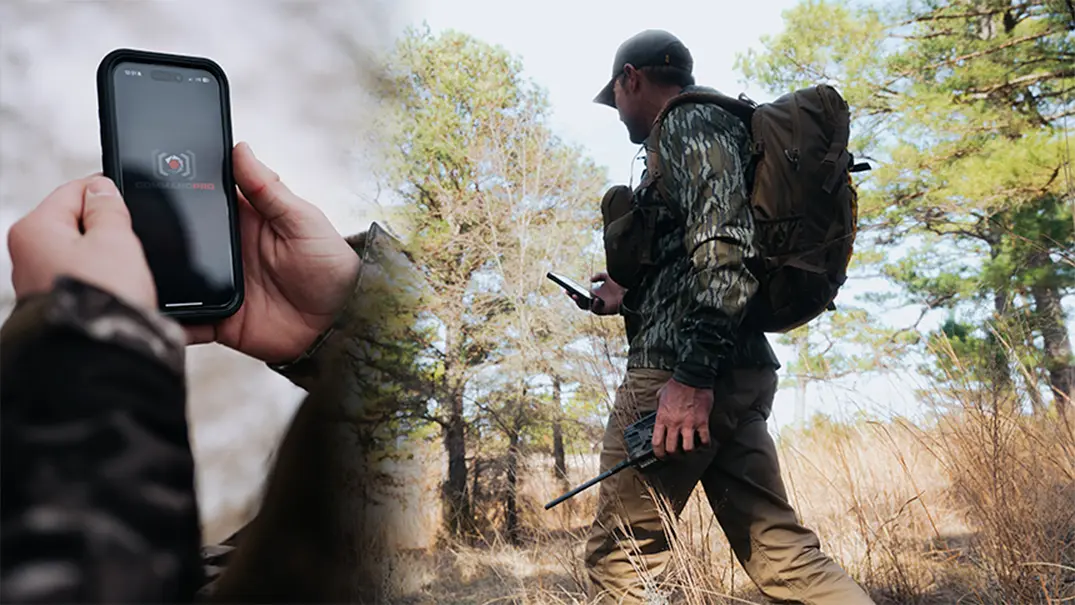
Rack Alert is one of these benefits. The Deceptor Max 3.0, Revolver Pro 3.0, and Spectre 4K Pro are all equipped with it. The new technology unleashes the innovative Command AI feature, which notifies you via the Command app the moment a whitetail buck is detected by the camera’s on-board AI. Simply jump into the app, and initiate a Live View session for good odds of monitoring the animal in action.
Another new addition is the False Image Detection element. Also driven by onboard AI in all three new cameras, it can be configured to upload and send images only when animals or specified subjects are detected within the frame. This minimizes false triggers, such as moving grasses, trees, and other foliage.
With multi-cam setups, and users running numerous, even dozens of cams, it’s often recommended to subscribe to Unlimited image plans. You can start saving money on just your second camera.
All things considered, summer is the perfect time to begin scouting whitetails with cellular trail cameras. Deploy yours earlier this year, and you’ll be one step ahead of whitetails and other deer hunters.